—–
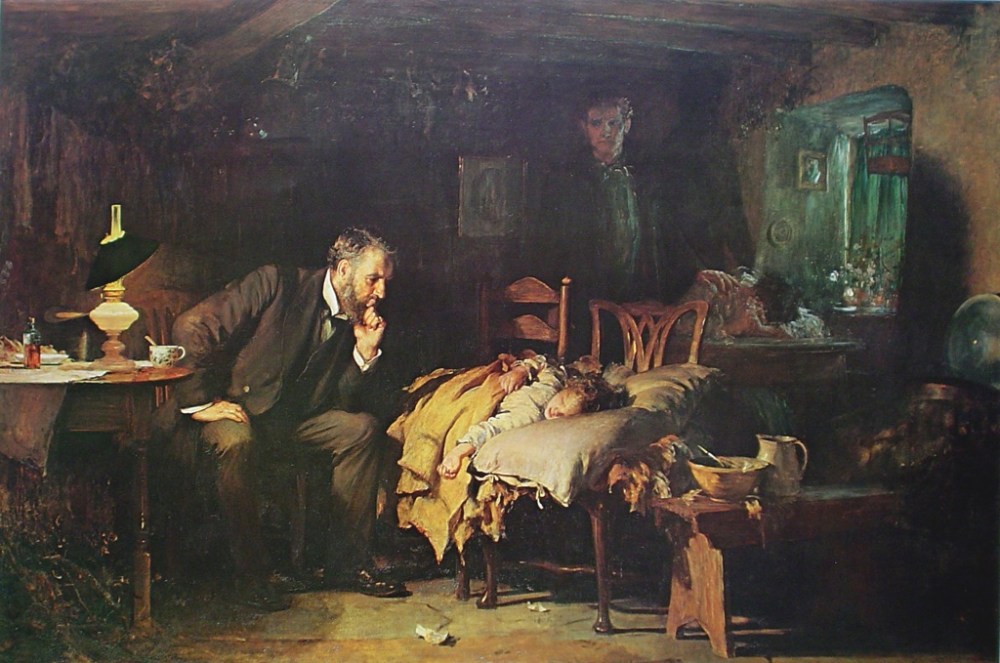
There is an inherent level of trust between a patient and their physician. Having been a patient multiple times in my life, I believe most of this trust is simply necessary to survive. The general public has blessed physicians with a trust known to few other callings.
“You are the doctor, what do you think I should do?”, is a statement I have had echoed to me during my brief career as a physician.
This level of trust is necessary to provide adequate care to any patient. A patient who does not trust their physician is highly unlikely to share their most private information, some of which may be necessary to actually help a patient.
—–

—–
But if the relationship between the patient and physician is strong, whether it has lasted 20 minutes or 20 years, a level of intimacy is created which is nearly as vibrant as that which comes from the most passionate kiss.
The type of intimacy between two lovers and that which is created between a patient and their physician is incredibly different, but having now been a part of each of these three roles, I can genuinely report each is quite intimate.
Passion defines the level of intimacy found between two lovers, allowing lives to become so intertwined that an existence without the other is simply no existence at all.
—–

—–
Trust defines the level of intimacy found between a patient and their physician, allowing even the most treasured hopes and fears to be revealed.
Care defines the level of intimacy found between a physician and their patient, allowing a level of insight into a near-stranger’s life unmatched in the rest of human existence.
Which is where I currently find myself. In a life of intimacy.
—–
—–
I backpedaled on my life’s trajectory when I was 24 years old. Having imagined myself becoming a clinical psychologist since I was a teen, I studied to become one in college, and then decided to hone my basic skills in a group home in Cambridge.
I never seriously considered becoming a physician, until I found myself lodged in the life of a unique social intervention.
In the subsequent decade, I have learned more about the human body than I imagined possible, all the while protecting and practicing the skills I expected to use as a psychologist on a daily basis.
—–

—–
Now I find myself learning some of the most intimate aspects of near-stranger’s lives.
Their hopes.
Their fears.
Their disappointments.
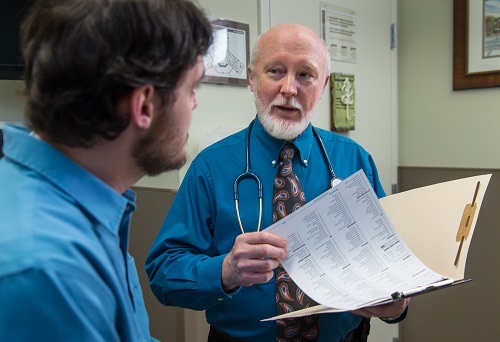
From the patient’s perspective, I am the one whom they want to trust so they can stay healthy or recover from whatever ailment currently disturbs them.
From the physician’s perspective, I am the one who cares whether they can stay healthy or recover from whatever ailment currently disturbs them.
—–

—–
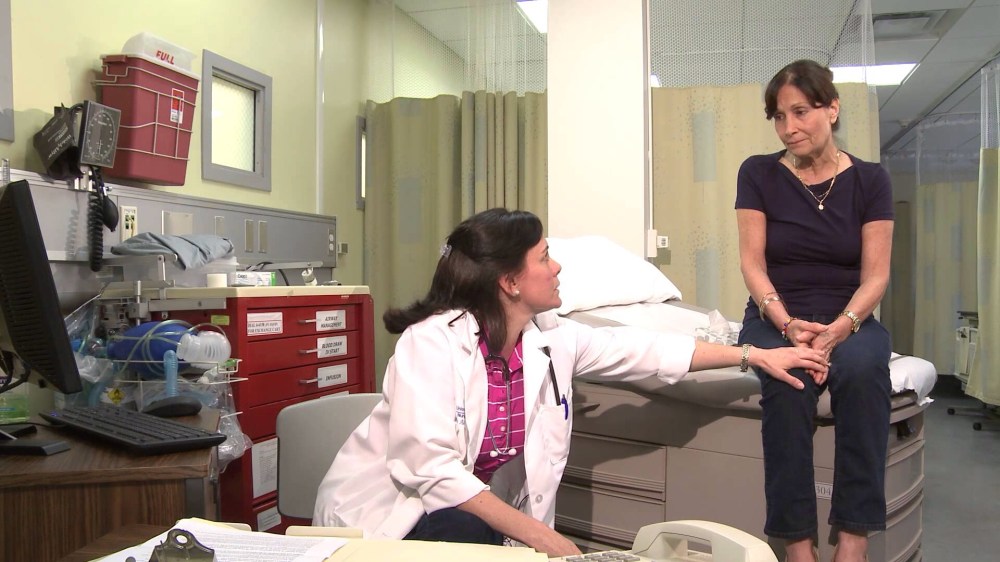
A 20-year-old woman cried in the exam room. The tears streamed down her face as she recounted leaving her grandmother’s home, where she was raised, because their relationship had abruptly dissolved.
She cried for the loss of their relationship; the loss of a grandmother and mother, one-in-the-same.
As her tears subsided, I listened and encouraged, supported and reflected, all the while feeling priviledged to be trusted in such a way. She hoped their relationship would be salvaged some day. Somehow. Someway.
At 32-weeks pregant though, she had another relationship to care for. So we used the ultrasound and listened to her soon-to-be-born daughter’s heart beat.
—–

—–
A middle-aged man sat disrobed in front of me. A man I had never met in my life. He came to me for a physical evaluation with life of minimal medical maladies.
Except now he has a broken heart.
A broken life.
A broken sense of where he fits into the world.
His wife of 37 years died.
His home is barren.
He sleeps alone.
No one responds when he speaks.
The “chief complaint” listed as the reason for his visit was Physical Exam.
The intimacy afforded by the level of trust he put into his physician, in this case me, allowed his physician, in this case me, to care for him in ways unable to be documented.
When he left the exam room, he gave me a hug and said, “I will be alright Doctor. Thank you.”
—–
—–
Every physician has similar experiences, each of which permeates their being, acting as an enzyme on the basic proteins constructing their DNA; allowing them to care for an infinite number of their fellow man; potentially when no one else will.
A life of intimacy is not for everyone, as it can create an enormous amount of unrecognized emotional strain.
But if done correctly, a life of intimacy can also create an incalculable strength, derived from the emotions of near-strangers, who seek a relationship unlike any other known to man.
—–

—–
The patient-physician relationship is intimate in ways unlike the intimacy sown with a passionate lover.
A life of intimacy. A life.
 Elbrecht's Corpuscle
2 comments