The Opposition to Magneto

 

image


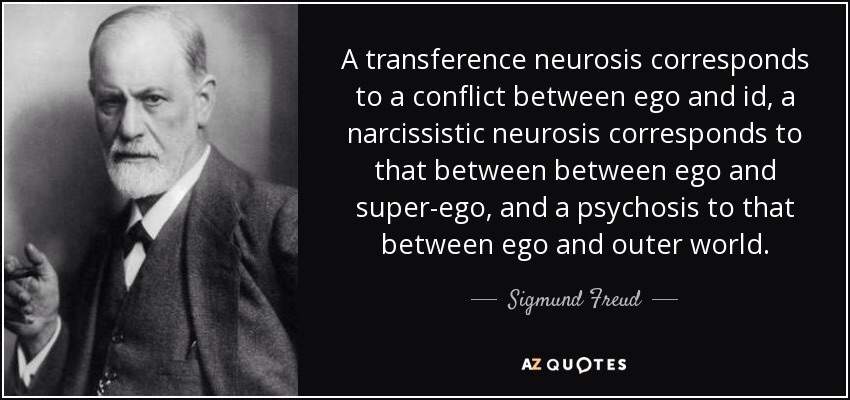
Almost 100 years ago, the world-renowned psychologist Sigmund Freud unleashed his theory of the human psyche. He theorized our being to be composed of three parts, each of which develops at different but early stages of our life; eventually, each is meant to interact simultaneously to help us navigate our world.

If Freud’s theory is accurate, my Id, Ego, and Superego completed their development nearly 30 years prior to my first day as a Resident Physician. But in the course of reflecting on the end of my second year of Residency, I have discovered a new wrinkle to Freud’s century-old theory.
 

image


In The Rise of Magneto, I thought about:

The transition from “medically knowledgeable but clinically deficient intern” to “clinically seasoned and seemingly knowledgeable Senior Resident” is fraught with pitfalls: sleep deprivation, anxiety-producing clinical scenarios, life-and-death struggles, and glaring holes in medical knowledge.

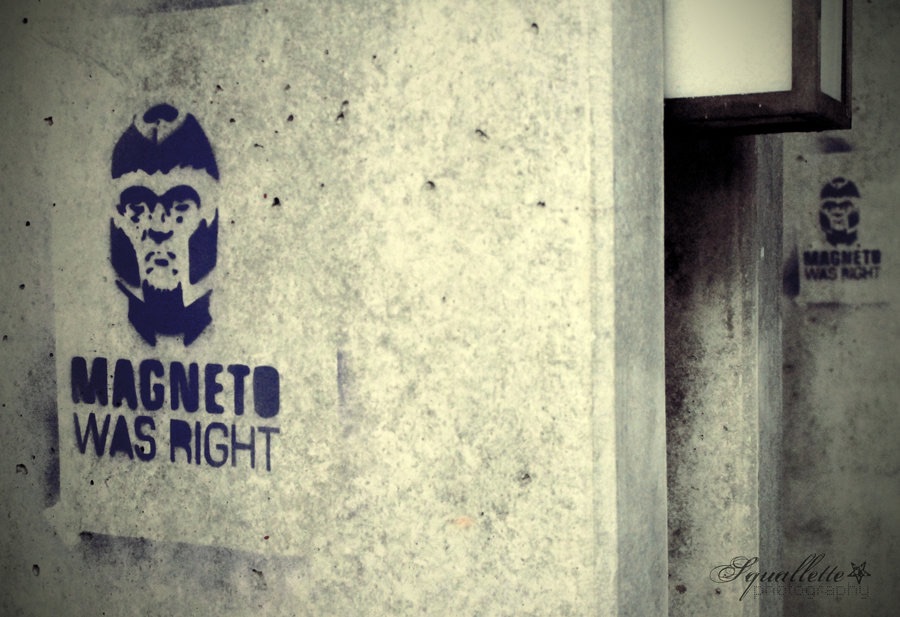
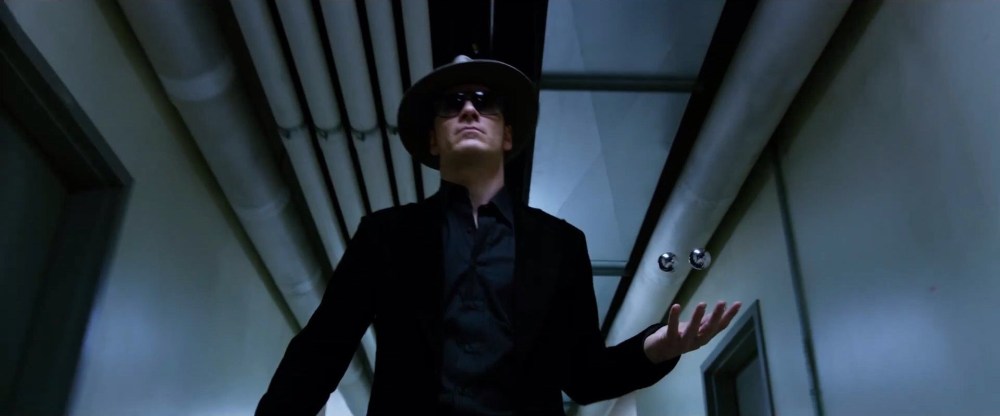
Nearly six months have passed since I described the The Rise of Magneto, the alter-ego bestowed upon me in the heat of a tussle with Black Betty (Night Float), and I have found the term “alter-ego” to be a slight misnomer; Magneto is my new Ego, not simply an alternate.

Freud described the Ego as ‘that part of the id which has been modified by the direct influence of the external world.’ In my case, Magneto is the result of my Id having experienced the responsibility, stress, failures, and successes of becoming a physician.

If Magneto is my Ego, then the other components of my psyche, the Id and Superego, are somewhere, developed and competing amongst the other experiences of Residency. If Freud’s theory is accurate, they are, in effect, The Opposition to Magneto.

 

image.jpg


My Id was the primitive and instinctive component of who I was before Residency: Ean, a 34-year-old grown man who had completed medical school as part of a greater mission.

In his initial introduction to the responsibility of being a physician, Ean the Intern could engage in what Freud described as primary process thinking; an amalgamation of my primitive, illogical, irrational, and fantasy-oriented beliefs emboldened in medical school. (Ex. Engaging in a tit-for-tat with my senior Resident on my first go-round of Black Betty.)
 

image


As Ean the Intern’s experiences in Residency began to mold him, Magneto developed to mediate the unrealistic Id and the external world. No longer was I left to the primary process thinking of Ean the Intern, relegated to the impulsive and unconscious desires of a newly-minted physician.

Instead, Magneto brought secondary process thinking, which is rational, realistic, and oriented towards problem-solving. (Ex. Strapping a magnet to the chest of a dying woman to deactivate her pacemaker so I could carry on with the multitude of other patients awaiting my care).

 

image


Now, as I become a PGY-3, my Superego, the last bastion of development per Freud, is taking shape in the form of Dr. Bett the Attending. My psyche’s most mature aspect, the Superego serves two purposes:

1) control the impulses of the Id (Ean, the primitive and fantasy-oriented Intern)
2) persuading my Ego (Magneto, the Senior Resident) to turn to moralistic goals and to strive for perfection

According to Freud, Dr. Bett the Attending incorporates the learned values and morals of medical society into the completed psyche, previously only constructed by Ean the Intern and Magneto, in order to create a fully-functional physician.

 

image


During this second year of Residency, Magneto has struggled to fulfill his obligations to the psyche; it is a constant uphill battle, trying to work out realistic ways of satisfying Ean the Intern’s demands, while simultaneously trying to live up to the expectations of Dr. Bett the Attending.

Freud made the analogy of the Id being a horse while the Ego is the rider. The Ego is ‘like a man on horseback, who has to hold in check the superior strength of the horse.’

In my case, Magneto, the Senior Resident, has to hold in check the primitive and unbridled passion, rage, joy, and false-beliefs of Ean the Intern. While harnessing the emotional energy of Ean the Intern, Magneto must institute a plan of action to carry forth the solution to whatever problem arises.

 

image


In the horse and rider analogy, Freud believed the Ego to be weak relative to the headstrong Id, simply doing its best to stay on; in effect, Magneto simply pointing Ean the Intern in the right direction, trying to claim some credit for the successes therein.

Meanwhile, in Freud’s psyche construct, the Superego, Dr. Bett the Attending, watches Magneto try to control Ean the Intern from afar, via his two components: The conscience and the ideal self.

Dr. Bett’s conscience can punish Magneto when he gives in to Ean the Intern’s demands by creating feelings of guilt.

Simultaneously, Dr. Bett’s ideal self exists as an imagined construct of who he should be, representing career aspirations and how to behave as an established member of the medical society.

 

image


Magneto is nearly constantly trying to live up to the expectations of Dr. Bett while attempting to prevent Ean the Intern from derailing Dr. Bett’s ideal self. And when successful, Dr. Bett rewards Magneto with feelings of pride.

In nearly every action, Magneto, the Senior Resident, reflects back on the do-or-die nights, the life-and-death days, the thankful patients, the grateful families, the new-born babies first squeal, and the meaningful and life-long relationships created in the cauldron of uncertainty that brought on his own existence…
 

image


The Id. The Ego. The Superego.

Each acting in concert, for perpetuity; the Id and Superego, tugging at Magneto, drawing on his energy, forever acting as the Opposition to Magneto.

Exercising the Demons


image

Scott and I walked into his apartment a bit lighter in the pockets and mildly sleep-deprived. The drive back to Los Angeles hadn’t been more than 4 hours, mostly through the barren desert highway, but it had given us plenty of time to reminisce on the previous 24 hours.

His roommate greeted our return with, “Hey, where did you guys stay in Las Vegas?”

Scott replied, “Oh, just some low-class Motel 6 off the strip.”

She pointed quizzically at the newscast on the TV screen. “You mean that Motel 6?”

We replied simultaneously, “Yeah, why? What’s going on?”

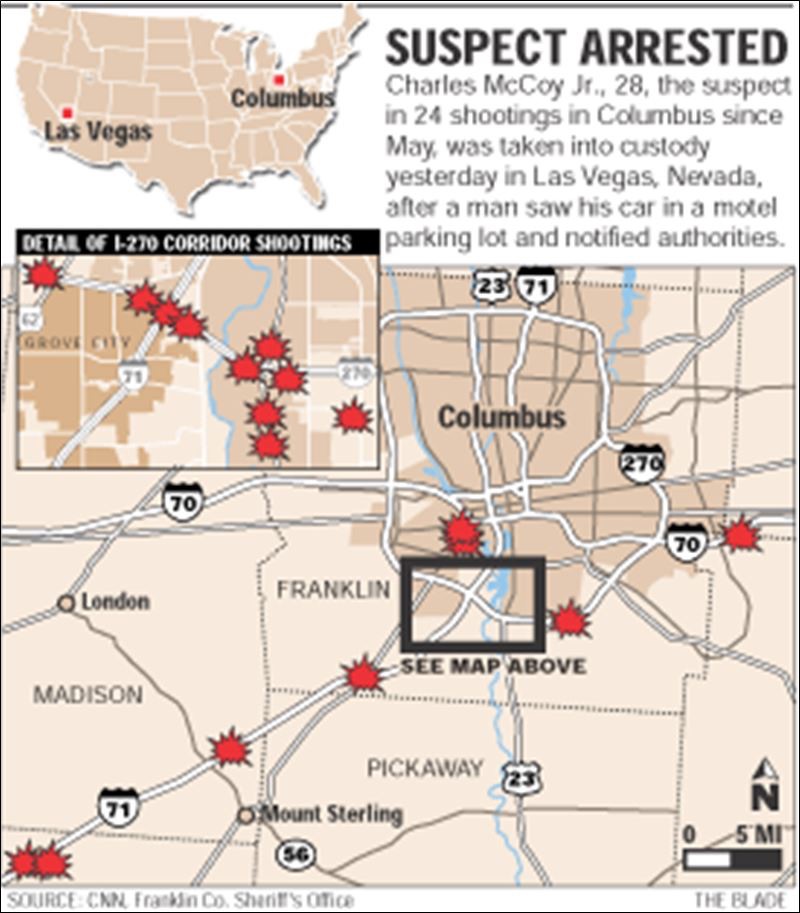
“A few hours ago they caught the sniper there who had been killing people in Ohio.”

I looked at Scott. He looked at me with the same look of disbelief.

We had unknowingly had an uncomfortably close brush with infamy.

The “270 Sniper” had been caught at our hotel in Las Vegas a mere 60 minutes after we departed.

image

We had spent the previous 24 hours gambling, drinking, and wandering the streets of Sin City. He had been hiding in our Motel 6, law enforcement hot on his trail.

So when Scott and I recently planned a return trip to Las Vegas twelve years later, we decided to class it up a bit, avoid the Riff Raff, and stay on the strip.

There was no telling whom we would encounter this time around, but we actively sought to avoid any serial killers at The Motel 6.


Scott and I have known each other since 8th grade. His and my parents shared the odd predilection for sending their children to a brand new school housed in a warehouse in the industrial sector of Wichita, KS.

Yes, we went to school in a warehouse. Not like something out of a Philip K. Dick novel, where we would by psychologically programmed to become superhuman automatons.

image

But more like a once-vibrant warehouse in the process of being transformed into a new age educational experience where grades were in flux and Love was bountiful.

Actually, Love was very bountiful there, as the up-start school was housed in a Love Box Company warehouse, likely something Walter Love, the company’s founder, would have beamed with pride about.

image

While there, Scott and I both were indoctrinated in Logic, Composition, Biology, and Roller Hockey {in reverse order of importance}.

Despite the humble beginnings of our friendship, in a warehouse school in a dusty midwest metropolis, the lessons we learned were paramount to our unlikely professional ascensions. [Except for the Roller Hockey. I don’t really use that for anything.]

Our friendship started over twenty years ago in a warehouse.

Then we managed to avoid a psychopathic serial killer 10 years later.

Now, only a few weeks ago, we found ourselves re-united in Sin City again.


image

In the midst of Residency, it has been hard for me to “catch my breath” at times. The completion of every shift, every day in the office, and every licensure task, brings on more things to do, more days in the office, more shifts to be worked.

It seems inescapable.

But that’s why it’s called Residency. In order to be trained properly and efficiently, you are seemingly living at the Hospital, in the office, or a desk trying to complete a seemingly endless list of tasks.


image


Which is why Scott’s suggestion of a reunion in Las Vegas was utterly brilliant. We both needed a breather from our action packed lives.

Over ten years after our brush with infamy, Scott and I are living lives we simply couldn’t have imagined back then. Scott is a successful Healthcare Systems analyst, having completed his PhD at Florida State after marrying a hometown girl, and now resides in our nation’s capitol with a daughter and another one on the way.

I’m me.

We have kept in close touch since our last destination vacation to Sin City, but if the last 10 years taught us anything, it was to upgrade from The Motel 6.


image

When I made my egress from the plane in Las Vegas on Sunday morning, Scott was there waiting; the mastermind to our 48 hour get-away already had the wheels in motion.

We made our way to the Uber pick-up and our driver quickly made a quick connection, identifying that his grown children live in the same city as me. The small talk was brief, as it only took 5 minutes to reach our destination.

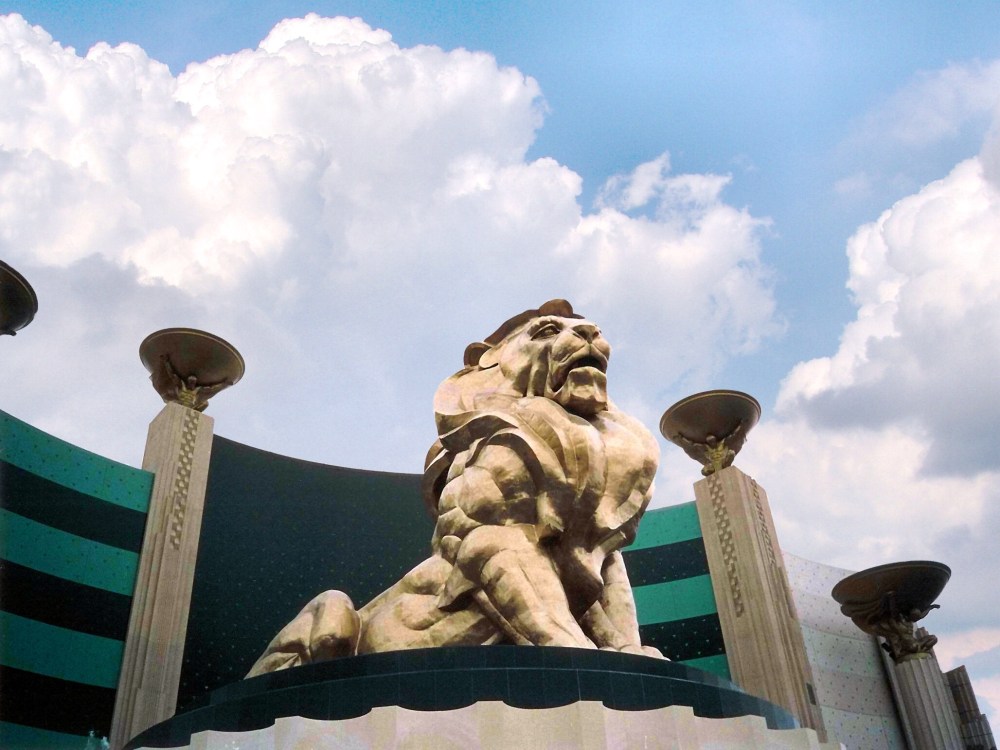
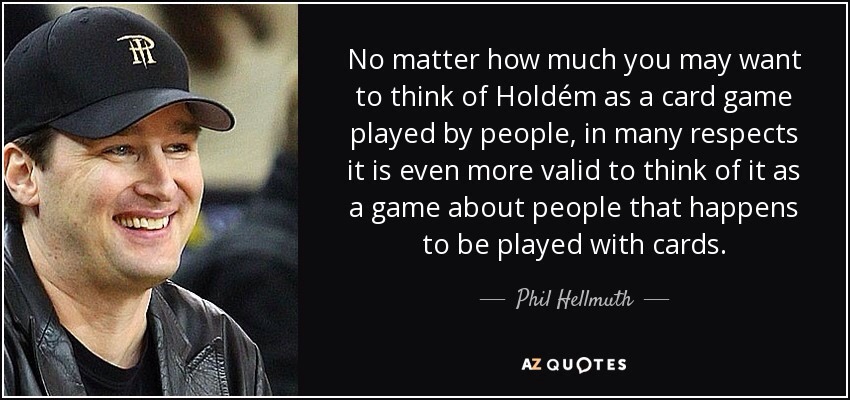
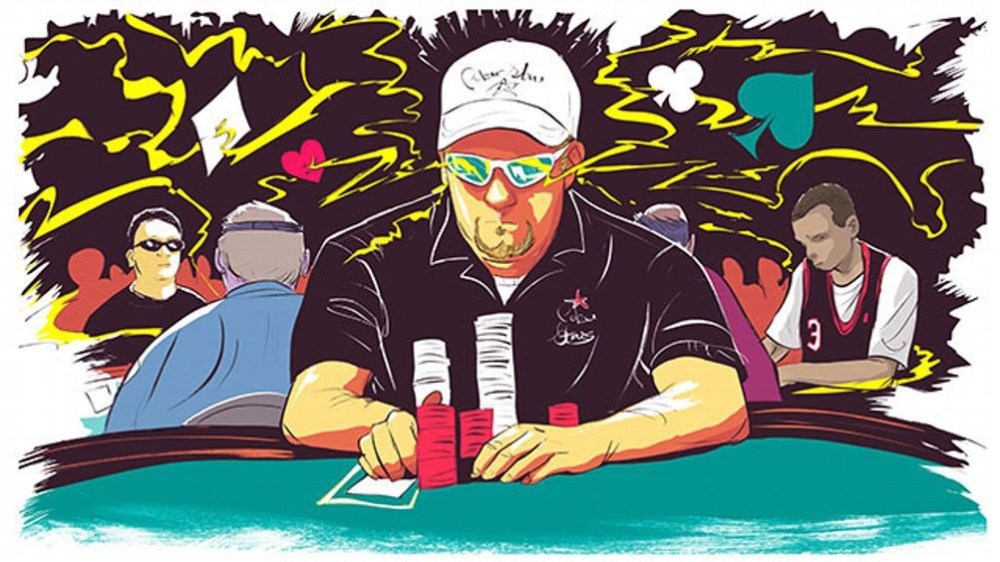
Our destination, the MGM Grand, was a familiar location to Scott, as he had visited Sin City numerous times in the years since our last sojourn together; most typically he arrived with his wife, who would be the Chris Moneymaker to his Phil Hellmuth in a pairing of Poker legends.

imageimage


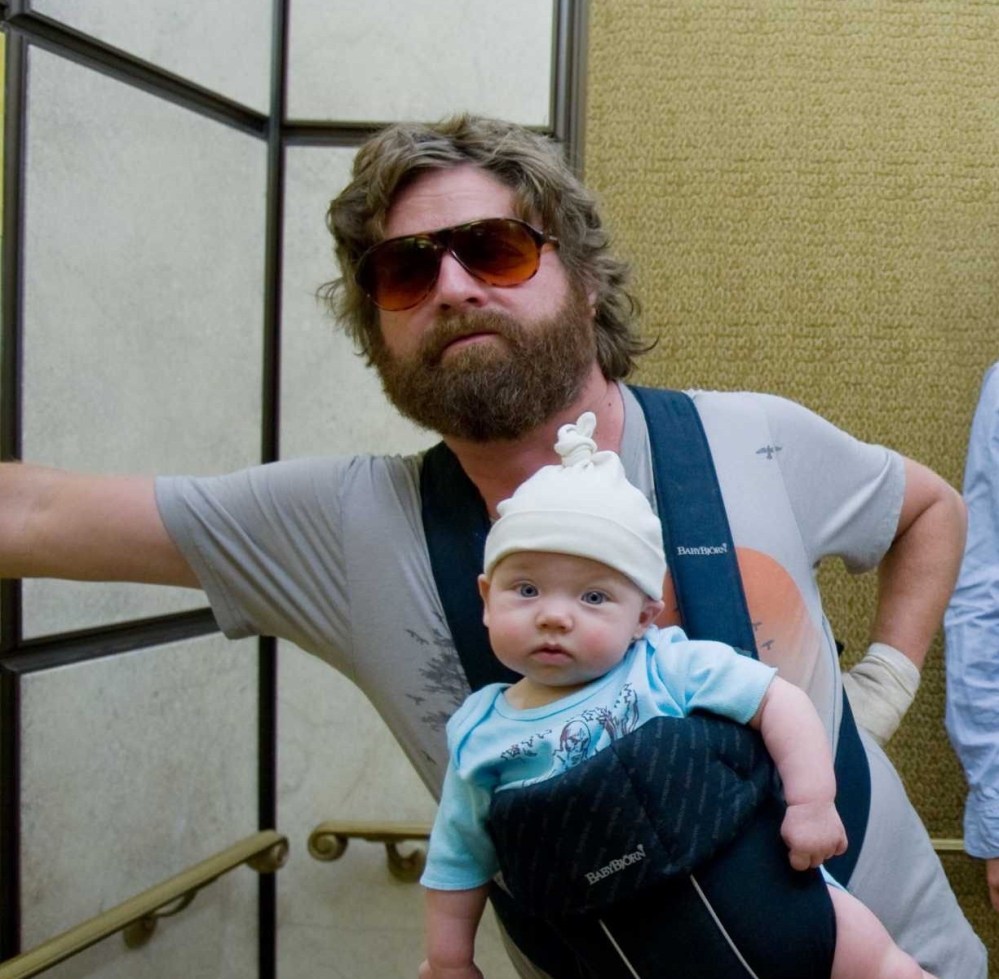
But this time, he managed to wrangle a male side-kick, in a Zach Galifianakis in “The Hangover” mold, rather than a Johnny Chan.

At the MGM, Scott managed to finagle an earlier-than-typically-allowed check-in time by not-so-secretively leaving a $50 tip for the concierge. As we calmly and cooly proceeded towards our rooms, I had the feeling our 48 hours of escape in Las Vegas would easily eclipse the 24 hours of chaos we spent there over a decade earlier.


image


When I landed back in Columbus on Tuesday evening it was nearly midnight. I was exhausted; and sun-burned. And slightly enamored with a woman I met on a plane.

In addition, I was neither psychologically or physiologically prepared to be a physician again in less than 8 hours.

But in Vegas, when the stakes are high, you can either fold or go all-in. I decided to go all-in this time.

image

We may not have had an indirect brush with infamy like back in 2004, but our 48 hours in Sin City made us hungry for more; just as with the genesis of our friendship, there would likely be more tales to tell.

Black Betty

image


At 2:17AM on a recent Friday morning I couldn’t sleep.

Not in the sense that I was laying awake in bed, thinking about the cosmos, or wondering how “The Walking Dead” Season Finale would play into any future cross-over series that might be developed, or anxiously awaiting the sun to rise again.

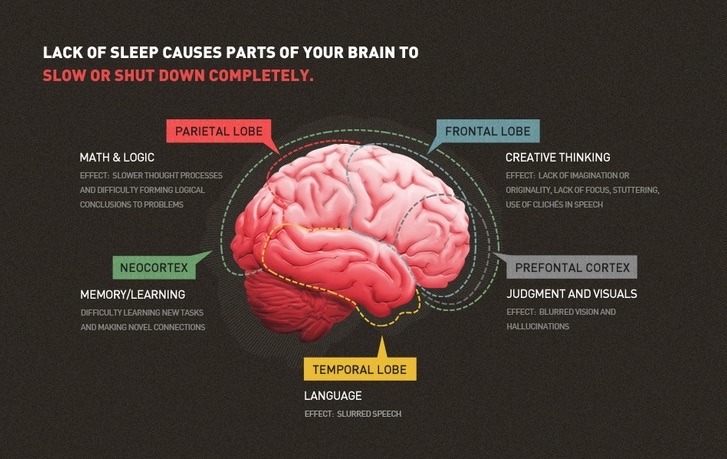
I was actually physically not able to sleep.

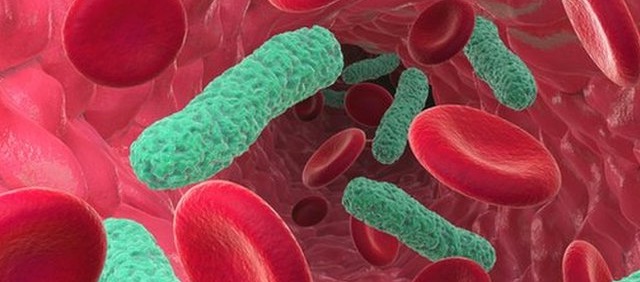
As my body was beginning to shut down at the cellular level, the efflux of potassium and phosphorus from every cell beginning to overwhelm my blood stream, the pager holstered upon my left hip started chiming again.

The pager transmitted electrical energy, similar to that of a defibrillator, into my body; the potassium and phosphorus blasted back into the cells, preventing a super-saturated metabolic derangement which would have caused my cardiac activity to cease.

Simultaneously, the loudspeaker in the Emergency Department blared, “Septic Shock Alert, ED 47.”

“Septic Shock Alert, ED 47.”

image

I unholstered the pager from my hip, quicker than Doc Holliday when he penetrated Ringo’s brain with a lead slug, and glanced down at the message awaiting me.

As I swiveled and rose from the stool I had been atop for only a matter of moments, I read the message. Thankfully, it only read “Septic Shock Alert, ED 47”, the electrical companion to the overheard communication, instead of 555-9095.

Or 555-9030.

Or 555-9494.

Those numbers belonged to the Hospitalist medicine service, the Intensive Care Unit, and the ED Nursing desk, respectively.


Responding to any of those calls would have meant either another patient was waiting for me to admit them to the hospital or an already admitted patient was trying to die in the ICU.

If any of those three numbers had been present, I would have needed to take over the care of the actively dying patient in the Septic Shock Alert, while simultaneously trying to:

1) figure out how in god’s name I would possibly get all of the work done I still had to do

2) supervise my junior resident

3) not lose my mind.

I also probably would have taken the pager and rifled it into the closest wall, hoping to have it explode in a wave of energy like the Death Star in Episode IV.

image.jpg

My Junior Resident sat beside me, near catatonic from Night Call’s siren song; I tugged at his scrub top, motioned for him to follow along, and let out a long sigh.

I could not sleep.

I was the Senior Resident on Night Call.

Or as I prefer to call her, Black Betty.


image.jpg

Black Betty is the anthropomorphic representation of Night Call, the overnight shift when physician staffing drops to a skeleton crew and the statistical probability of all hell breaking loose starts creeping up on 100%.

As the sun begins setting on a hard day’s work for most of the physicians, nurses, and ancillary staff in the hospital, Betty begins to rear her ugly head.

Her darkness requires the fortitude of a special type of physician.

image

Unless you are a Resident like me. Then you are required to show up to spend some time with Black Betty as a part of your training.

You are not a special physician. You are a Resident. And the only thing special about you is your ability to not spontaneously combust from the lack of sleep you have sustained.

Every Resident dates Black Betty. Some for a night here and there, with no specific frequency or expectation. She does not discriminate.

Others join her for a two week stretch; where her smooth skin becomes chapped and dry by the third night, her velvety caressing hands become stiff and arthritic by the seventh, and her formerly gentle kisses become vicious flesh-tearing wounds as the sun rises on the tenth.

image

Black Betty invites the denizens of the night to start shuffling into the Emergency Department.

And the critically ill whose lives are sustained by technological marvels in the ICU to begin their physiologic derangements.

They are joined by the sickly and elderly who become unpleasantly delirious as a result of her rancor.

—–

To this point in my Residency, I have spent over 20 weeks with Black Betty. A majority of those weeks have come in two week chunks, spread over In-patient Medicine, Surgery, and Obstetrics.

But as a now as a PGY-2, the Senior Resident, I have also had more than my fair share of random Saturday date nights with ‘ol Betty.

She and I have been intimate more times than I would care to admit.


image


Each date brings about something unique, whether it’s a patient hurtling a chair through a 7th-story window, a near-dead woman’s heart beating in full view of the audience in the trauma bay, or stabbing a needle into a man’s chest to hear the whoosh of air escape and provide his lung the opportunity to re-inflate.

She is fertile with opportunities for us to perform our duties as physicians.

Black Betty had a child, the damn thing gone wild.

dont-scare-your-kids


At 2:43AM on a recent Friday morning I exited ED 47 with my Junior Resident in tow.

Black Betty had provided us an opportunity to exercise our clinical judgement, initiate resuscitative measures, and stabilize an elderly gentleman who had tangoed with the Grim Reaper several times in the past two months.

The Reaper’s grasp had tried to choke off the man’s air supply. But we would have none of that.

Black Betty didn’t care. She shrugged it off.

She knew other opportunities awaited.

And my Junior Resident and I would be there. Waiting.

I would not sleep.


image


Not when Black Betty has anything to say about it.

Life on the Amazon

Elbrecht's avatarElbrecht's Corpuscle

amazon

“Welcome to the Jungle

We’ve got fun and ‘n’ games

We got everything you want

Honey, we know the names

We are the people that can find

Whatever you may need

If you got the money, honey

We got your disease”

Axl Rose’s voice roared over the loudspeaker as I sang along with a bar code scanner doubling as my microphone. “Welcome to the Jungle” seemed quite the appropriate theme song for where I found myself at 3AM on a recent Wednesday morning: an enormous warehouse on the outskirts of Lexington, KY.

But how the hell did I get there?

One day in July 2013, while on a month-long break from medical school, I found myself dreaming about what I would do during the 8-month break I would soon have between finishing medical school and starting Residency.

During that day-dream, I found myself:

a) in the outback of Australia, rough-housing with cuddly koalas and lacing…

View original post 1,228 more words