The Rise of Magneto


image

The Birth of Magneto

—–

Since their inception, movies and television have glamorized the life of a physician, often intertwining personal stories of said physicians with the heroic acts they perform and the inherent braininess required therein.

This is only a mild reality.

—–

image.jpg

—–

Sure, physicians are by-and-large smarter than the average bear, but it is our tireless work ethic, attention to detail, and self-loathing which provides us the ability to make such a significant impact in the lives of our patients.

There is little glitz, even less glamour, and only the occasional heroic act in the life of a physician. But the combination of these traits keeps many of us going back to work every day.

No. I mean EVERY day. As in… working EVERY. SINGLE. DAY.

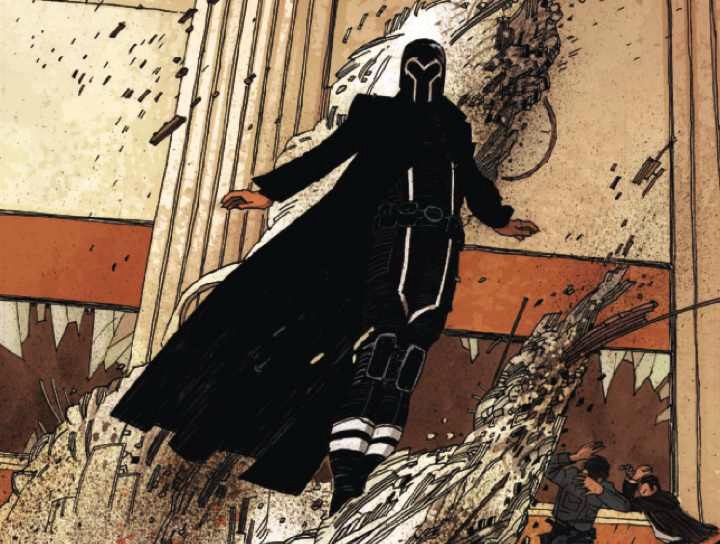
In case you can’t tell I’m currently smack dab in the middle of my second year of Residency (aka PGY-2)… a time I have affectionately termed, “The Rise of Magneto.”

—–
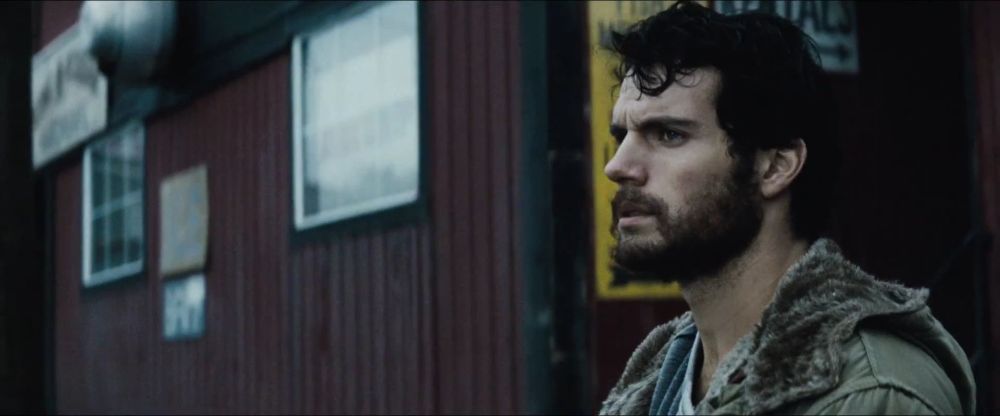
Man-of-Steel-Trailer-Images-Henry-Cavill-as-Clark-Kent

—–

Though some more recent medical dramas have included the lives of Residents, this middle ground in the hierarchy of medicine is poorly understood and recognized.

After completing medical school, newly-minted physicians in the US must complete a Residency before becoming a physician capable of practicing on their own.

In the US, simply completing medical school is not sufficient to become a physician; no hospitals or physician groups will hire you; no insurance will reimburse you.

—–

image.jpg

—–

Instead, you must prove your worth, knowledge, and skills by completing a Residency in the specialty of your choice.

Alas, the general public is not fully aware of this transitional stage in the professional life of a physician. There is either “you are a doctor” or “you are not a doctor”.

And if the patient is sitting in a gown, on an exam table or on a hospital gurney, while asking for medical help and you identify yourself as their physician, “you are a doctor.”

Which, in fact, you are.

Confused yet?

Well, I am too.

Because now that I’m half-way through my Residency, I am starting to find myself straddling the line between being a naive Intern and a full-fledged Attending.

—–

image

—–

The major reason Residencies exist in the US is due to the wide swath of information and skills needing to be honed in order to provide adequate medical care in the 21st century (and the 20th century before it.)

The sheer breadth of knowledge acquired during these training programs is paramount to fully understanding the capabilities, pit-falls, and intricacies of the human body.

It also introduces physicians to the longitudinal aspects of caring for patients and their families.

—–

image

—–

One night while I was an Intern (PGY-1), I responded to an overhead page from the Emergency room; my assistance was requested in the care of a critically ill patient.

Not exactly “my” assistance per se, but by being the Intern on-call, I was part of the team responding to patients who have such a severe infection as to be called “Septic“.

The woman was non-responsive, cool to the touch, and seemingly every square centimeter of her body was swollen with fluid.

Her vital signs on the monitor were tenuous. A quick scan of her body revealed a tube protruding from her pelvis, most likely a surgically placed catheter to drain urine from her bladder.

The daughter sat at the bedside, quickly describing the course of actions she believed could have led to the current predicament.

Despite her seated position at the bedside, her fear was palpable.

I thanked her for the explanation and informed her we would need to pursue aggressive measures to save her mother’s life. Without hesitation, she consented.

Over the next several days, her mother remained unresponsive in the Intensive Care Unit, her life supported by machines to keep her lungs delivering oxygen to her swollen body; medications kept her heart pumping that same oxygen to every fragile cell.

—–
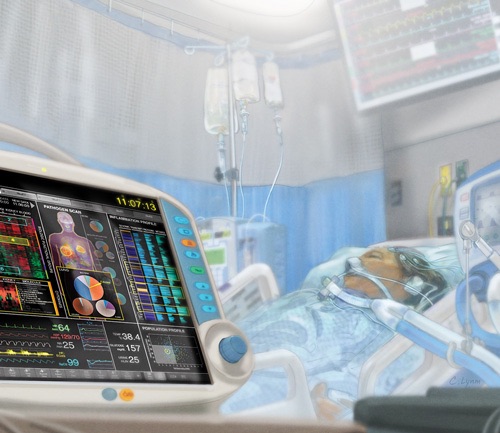
image.jpg

—–

But one day shortly thereafter, I arrived in the ICU and the mother was no longer in the room.

The bed was barren, immaculately cleaned, and prepared for the next critically ill patient.

She had died overnight, her body unable to sustain life despite the most aggressive medical interventions, all while I attempted to regain my cellular integrity through several hours of sleep in my own poorly-cared-for apartment.

—–

image

—–

Six months later, I was working in the office of an Oncologist (a doctor who treats patients with cancer) preparing to see his next patient. While thumbing through her chart, he described the course of events leading her to seek his care.

When we entered the room, I saw a familiar face. The daughter of the non-responsive woman I just described. She smiled and greeted me, though I instantaneously recognized her palpable fear.

The Oncologist was surprised and said, “you two know each other?”

I responded, “yes, I cared for her mother.”

—–

There were no heroic acts which changed the outcome of the mother’s life. Unfortunately, there were no heroic acts to perform for the daughter either.

—–

In our current “illness-based” medical system, which more handsomely rewards interventions while people are ill, even Family Medicine docs like myself tend to more commonly encounter patients when they are in need, rather than when they are well.

{This is more a by-product of when people tend to seek out care, rather than a desire on most physicians part, as Family Medicine is predicated on prevention of illness.}

And sometimes the wellness and illness intersect.

—–
image

—–

Having completed two months of Obstetrics and Gynecology during my intern year, as a PGY-2 I have become “eligible” to work 24-hour shifts on the Obstetrics service.

The Rise of Magneto, indeed.

{By eligible, I mean the cap on my consecutive hours able to be worked is now 24… And I am assigned to work said shifts based on my availability. Which is truly, whenever. But that is Residency. So be it.}

Within the first hour of working my first OB-24, I delivered the baby of a woman I had never met, which is common on the Labor & Delivery service.

After ascertaining the baby’s general health and wellness while identifying the absence of suturing opportunities in the woman’s vaginal canal, I calmly congratulated her, welcomed her son to the world, and exited the room to tend to another pregnant woman.

—–

baby-after-being-born

—–

One week later I was working in the Pediatric Emergency Department, my latest assignment as a PGY-2, when my eyes were drawn to a patient’s Chief Complaint on the Patient Tracking Board.

It read “fever, decreased PO intake”. I scanned over to the patient’s age and read, “7 days.”

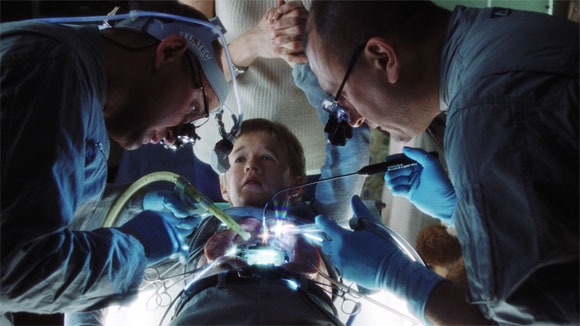
On my first night in the Pediatric ED I had seen another 7-day-old with fever and decreased PO (oral) intake. I ended up performing a lumbar puncture that night on that child due to a concern for meningitis.

Thankfully, the test results came back showing that the child did not have meningitis.  It recovered quickly and was home within two days.

—–
image

—–

But that experience had quickly alerted me to the need to act quickly and decisively in order to prevent a dire outcome.

So I clicked my name next to this latest 7-day-old child and quickly proceeded to the patient room to evaluate him.

When I opened the door and introduced myself, the mother and I instantaneously recognized each other. She was gently rocking the boy I had delivered only 7 days previously.

Doctor, please help him.”

—–

image

—–

I had only a week before assisted his exit from his mother’s womb. I assured his mother we would care for him and made my way back to the area where an Attending physician was awaiting my assessment and plan.

While I alerted my Attending to the intimate relationship I possessed with this child and his mother, a few of the other Residents and Attendings happened to overhear the predicament.

They all began to listen in as I outlined my plan to perform a Lumbar puncture to assure he was not rapidly deteriorating at the hands of a bacterial foe.

My Attending agreed, looked at me intently, all the while recognizing my whole-hearted investment in this patient.

—–
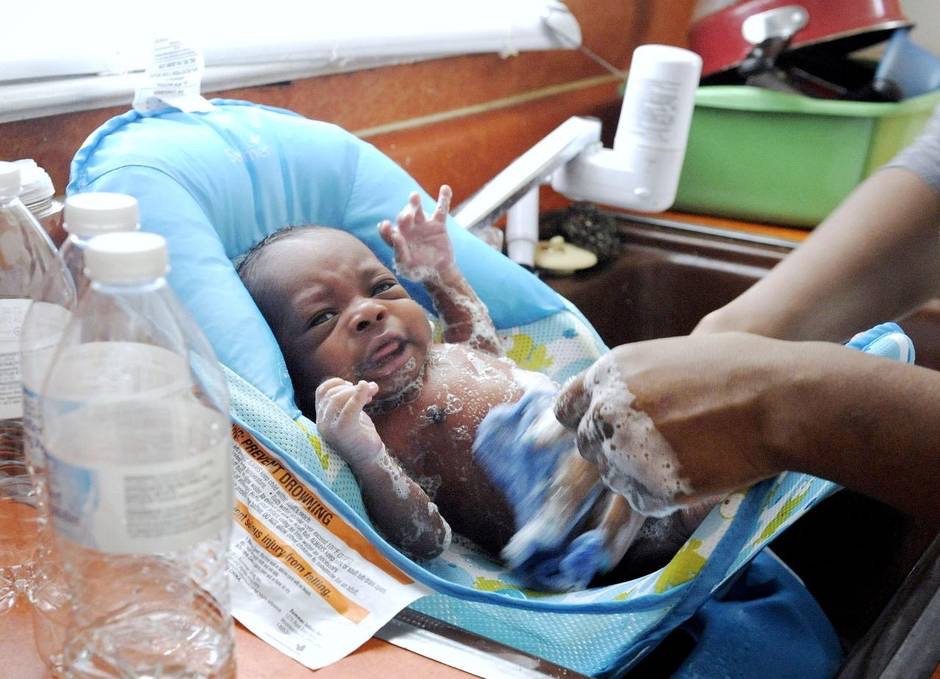
image.jpg

—–

There are few instances in medicine as intimate as the delivery as a child, and to have that same child fall ill and somehow end up back within your care in a completely different hospital on a completely different medical service only a few days later, is the essence Family Medicine.

We can be seemingly ubiquitous.

Thankfully, the young boy, only a week into his life, tolerated the Lumbar puncture; his cerebrospinal fluid was absent of life-eradicating bacteria or virus; he was sleeping comfortably in his own crib again within two days.

—–
image

—–

The transition from “medically knowledgeable but clinically deficient Intern” to “clinically seasoned and seemingly knowledgeable Senior Resident” is one fraught with pitfalls: sleep deprivation, anxiety-producing clinical scenarios, life-and-death struggles, and glaring holes in medical knowledge.

But at the moment of greatest despair, when the chips are down, the night can’t end, the day can’t come soon enough, and the struggle to become a good physician seems out-of-reach, the Intern becomes a Senior Resident.

And reflects back on the do-or-die nights, the life-and-death days, the thankful patients, the grateful families, the new-born babies first squeel, and the meaningful and life-long relationships created in the cauldron of uncertainty…

… bringing on The Rise from Intern to Senior Resident.

In my case, The Rise of Magneto.


A Life of Intimacy

image

—–

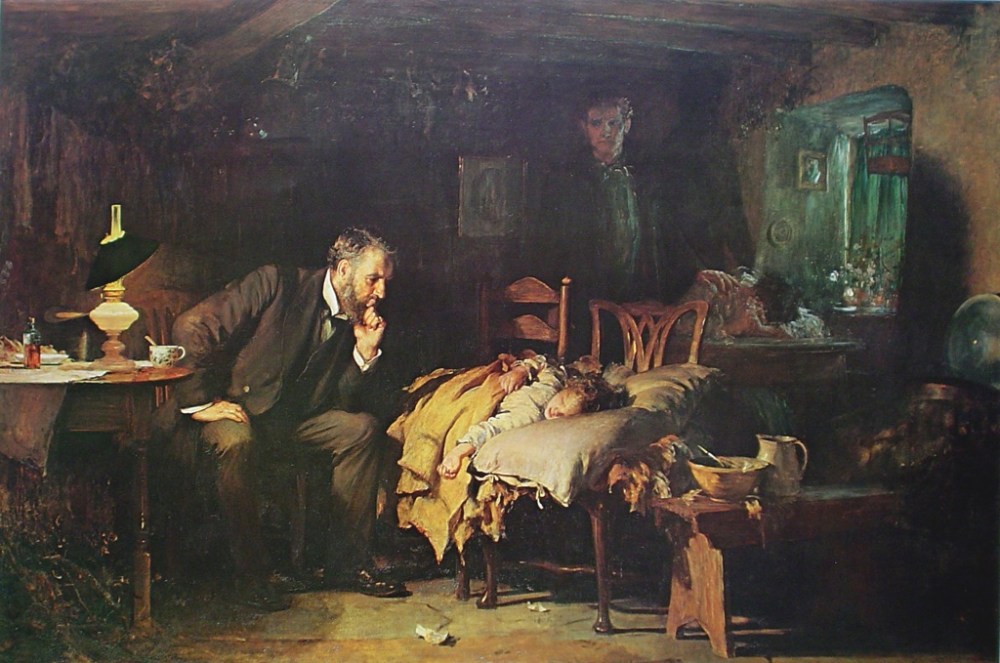
There is an inherent level of trust between a patient and their physician. Having been a patient multiple times in my life, I believe most of this trust is simply necessary to survive. The general public has blessed physicians with a trust known to few other callings.

“You are the doctor, what do you think I should do?”, is a statement I have had echoed to me during my brief career as a physician.

This level of trust is necessary to provide adequate care to any patient. A patient who does not trust their physician is highly unlikely to share their most private information, some of which may be necessary to actually help a patient.

—–

image.jpg

—–

But if the relationship between the patient and physician is strong, whether it has lasted 20 minutes or 20 years, a level of intimacy is created which is nearly as vibrant as that which comes from the most passionate kiss.

The type of intimacy between two lovers and that which is created between a patient and their physician is incredibly different, but having now been a part of each of these three roles, I can genuinely report each is quite intimate.

Passion defines the level of intimacy found between two lovers, allowing lives to become so intertwined that an existence without the other is simply no existence at all.

—–

image.jpg

—–

Trust defines the level of intimacy found between a patient and their physician, allowing even the most treasured hopes and fears to be revealed.

Care defines the level of intimacy found between a physician and their patient, allowing a level of insight into a near-stranger’s life unmatched in the rest of human existence.

Which is where I currently find myself. In a life of intimacy.

—–

image

—–

I backpedaled on my life’s trajectory when I was 24 years old. Having imagined myself becoming a clinical psychologist since I was a teen, I studied to become one in college, and then decided to hone my basic skills in a group home in Cambridge.

I never seriously considered becoming a physician, until I found myself lodged in the life of a unique social intervention.

In the subsequent decade, I have learned more about the human body than I imagined possible, all the while protecting and practicing the skills I expected to use as a psychologist on a daily basis.

—–

image.jpg

—–

Now I find myself learning some of the most intimate aspects of near-stranger’s lives.

Their hopes.

Their fears.

Their disappointments.

Their transgressions.

From the patient’s perspective, I am the one whom they want to trust so they can stay healthy or recover from whatever ailment currently disturbs them.

From the physician’s perspective, I am the one who cares whether they can stay healthy or recover from whatever ailment currently disturbs them.

—–

image.jpg

—–

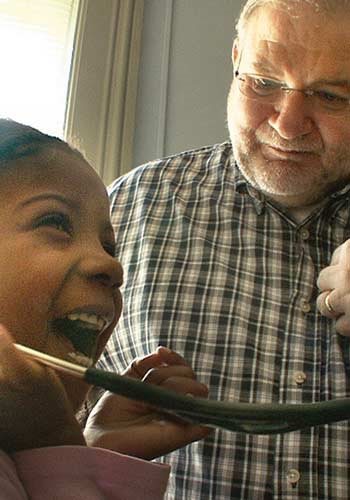
A 20-year-old woman cried in the exam room. The tears streamed down her face as she recounted leaving her grandmother’s home, where she was raised, because their relationship had abruptly dissolved.

She cried for the loss of their relationship; the loss of a grandmother and mother, one-in-the-same.

As her tears subsided, I listened and encouraged, supported and reflected, all the while feeling priviledged to be trusted in such a way. She hoped their relationship would be salvaged some day. Somehow. Someway.

At 32-weeks pregant though, she had another relationship to care for. So we used  the ultrasound and listened to her soon-to-be-born daughter’s heart beat.

—–

image.jpg

—–

A middle-aged man sat disrobed in front of me. A man I had never met in my life. He came to me for a physical evaluation with life of minimal medical maladies.

Except now he has a broken heart.

A broken life.

A broken sense of where he fits into the world.

His wife of 37 years died.

His home is barren.

He sleeps alone.

No one responds when he speaks.

The “chief complaint” listed as the reason for his visit was Physical Exam.

The intimacy afforded by the level of trust he put into his physician, in this case me, allowed his physician, in this case me, to care for him in ways unable to be documented.

When he left the exam room, he gave me a hug and said, “I will be alright Doctor. Thank you.”

—–

image

—–

Every physician has similar experiences, each of which permeates their being, acting as an enzyme on the basic proteins constructing their DNA; allowing them to care for an infinite number of their fellow man; potentially when no one else will.

A life of intimacy is not for everyone, as it can create an enormous amount of unrecognized emotional strain.

But if done correctly, a life of intimacy can also create an incalculable strength, derived from the emotions of near-strangers, who seek a relationship unlike any other known to man.

—–

image

—–


The patient-physician relationship is intimate in ways unlike the intimacy sown with a passionate lover.

A life of intimacy. A life.


Must Love Dogs

image.jpg

—–

And have an insatiable desire to travel the world.

And have an impregnable faith in God.

All while being close with your family.

…well. How about that. Returning to the midwest could have been the worst choice for my personal life.

—–

image.jpg

—–

Having survived intern year as a Family Medicine Resident, I found my tortuous work schedule having severely handicapped my ability to find a love interest here in Columbus.

Not that I was surprised by this turn-of-events, but I had held out hope I would miraculously run across The love-of-my-life in a Nightcall induced haze while guzzling a Monster at 7AM.

—-

—-

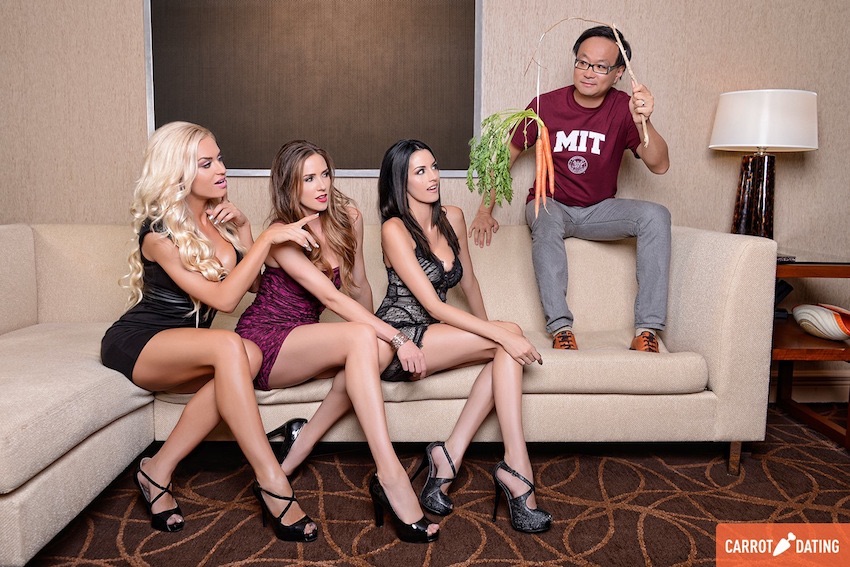
Having delved into the world of on-line dating when I lived in nYc and found one of the loves of my life, I decided to give on-line dating another whirl.

—–

Why-woman-love-man-5

—–

What I have found here in Columbus is a consistent echo that is starkly different than what I discovered in the City that never sleeps.

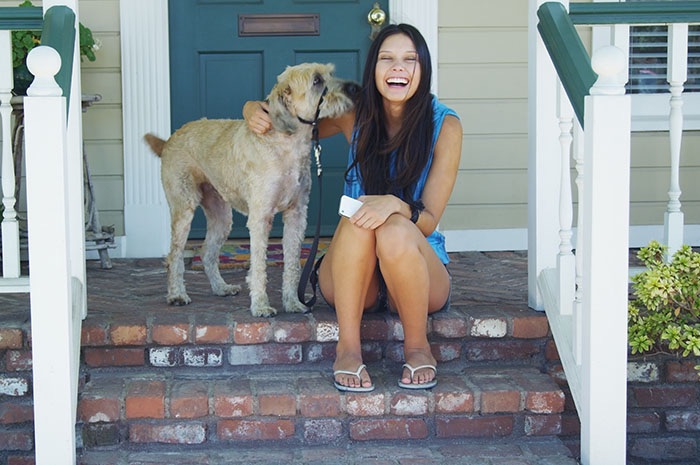
Must Love Dogs. I do love them; they are man’s best friend. But in the 21st century, they are even more so a woman’s best friend. As I have written before, I love dogs, even grew up with several of them, but for the most part am extremely allergic.

They are woman’s best friend to the point there are now more dogs than children in the US. It seems they are no longer just the stepping stone for newly weds before they have children, but they are actually replacing children.

{Less Kids, More Dogs}

I would guesstimate approximately 1/3 of the women I am “matched” with have a dog.

Ok, that leaves 66%, which is an astronomically high number given the bevy of good-natured, beautiful women here in Ohio; quite the sizeable chunk of women who could be a good “match.”

—–

image

—–

I want to travel the world. Yeah, me too. But I already did in my 20’s. It was awesome. And I did it with a beautiful woman at my side. Double-awesome.

So I won’t say I’m averse to making some more jaunts around the globe, as I have inumerable places I want to visit before all is said and done (ie: Rio, Sydney, Bangladesh), but I’m not looking for a travel companion.

Or a “partner in crime.” I can hardly control my cantankerousness when I am “matched” with a world-traveler looking for a partner in crime.

—–

image.jpg

—–

There goes another 10% of my on-line dating pool.

{Note: the overlap of women who indicate that I Must Love Dogs and Want to travel the world with a partner in crime approaches 45%.}

Man of God. Hmmm, not so much.

—–

—–

Enough said.

In the midwest, terribly close to the Bible-belt, being an agnostic/atheist doesnt seem to jive with most people’s thought process.

The “matched” dating pool for me starts painfully tightening. A conservative estimate would eliminate another 25%. Staggeringly, I am down 80% of the women a reputable online dating service has used complex algorithms (I hope) to find me a woman I’d be interested in dating.

On-line Dating

—–

image

—–

Close with your family. Depends on what you consider close.

As in, spend the holidays with them? Come from an intact nuclear family?

Or concerned I am going to be saddled with an empty-nested mother in the not too distant future?

All topics within the same theme that I actively avoid when going on dates. But inevitably is brought up in the first 10 minutes because reputable women need to know if your parentage suffers from behavioral or economic disturbances.

—–

image

—–

A final conservative estimate of those four criterion snuffs out an apocalyptic 95% of the single, desirous of having a family, non-smoking, willing to attempt on-line dating, and hopefully mentally intact women within 150 miles of my current location.

—–

—–

Don’t be mistaken though. It’s not as if I have given up hope, given up looking, or straight up given up. I’m on the right side of 40, have a Y chromosome, and recognize patience as one of my best virtues.

But having survived almost half of Residency, it would be nice to find an amazing woman whose life goals and expectations Match mine.

I’ll just have to wait and see what happens…

—–

image.jpg

Must Love Dogs

—–


Delta Fox X-Ray

image

{in the not-too-distant future}

—–

When I was 18 years old, I used to run across campus to the nearest computer lab to check my e-mail and/or log on to ICQ or AOL Instant Messenger to see what my friends were up to.

By the time I was 19 and sophomore in college, I had my own computer, a 1-inch thick laptop, which allowed me to check my e-mail, write my papers, and check AOL IM to see which party my friends were attending on any given night.

—–

—–

Over the course of one year, my proximity to everyone else I knew was minimized to only a few key strokes. Owning a portable computer added a previously unknown efficiency to my life. Yet, it was simply a microcosm for what was occurring all throughout the world by the end of the 20th century.

The explosion of technology allowing humans to be constantly linked to each other was on the horizon.

Nearly 17 years later…

I’m writing these words on my iPad.

—–

image

—–

I’m writing these words on my laptop.

I’m writing these words on my iPhone.

I’m writing these words from my Google Glasses.

{Ok, the last line was a lie. I will never own Google Glasses}

To say things have changed technologically in the last twenty years is an understatement. Now I’m constantly connected to my friends, work, and the rest of the world by a myriad of technologic devices.

—–

image

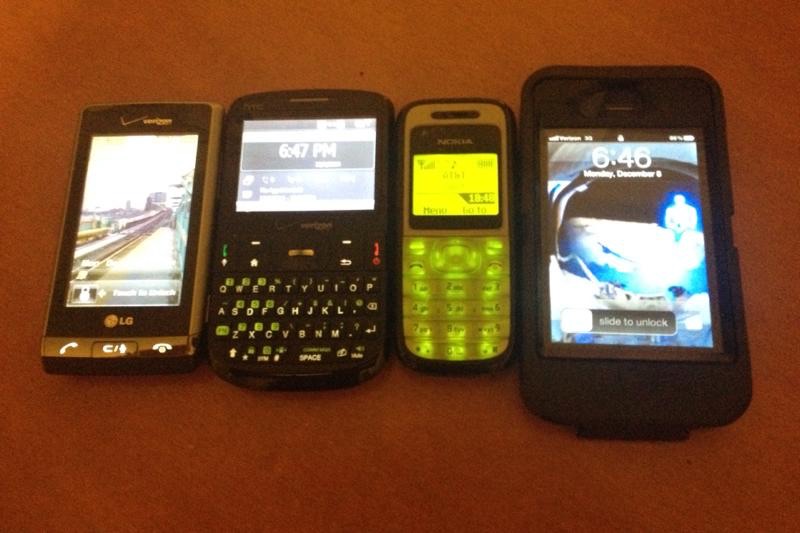
{the array of cellphones I’ve used in the past 6 years}

—–

Only twenty years ago I was 15 and my family had one PC (personal computer). I had grown up during a technological evolution, owning a Commodore 64, later a Nintendo Entertainment System (NES), and even starting to dabble in electronic mail (e-mail) before I headed off to college in 1998.

Only half of my life later, I am sitting in a Tim Horton’s using their wifi to type this entry on an iPad. And lounging on the patio of a Panera eating up their bandwith. And surfing the web in my apartment using the HotSpot option on my Verizon data plan.

The world has changed beyond our wildest comprehensions in the past twenty years, if only in the way technology has become ubiquitious in our life. The evolution of technologic existence, from personal handheld devices to electronic medical records has harkened an interconnectedness which was fathomable only by the most forward thinking geniuses of the past.

—–

https://youtube.com/watch?v=8ZmFEFO72gA

—–

Now if you own a “Smartphone”, which nearly every adult in America does, you may have to be picky in regards to what platform you use to stay conncected, if only because of time needed to maintain your “online presence.”

There’s SnapChat, Whatsapp, Instagram, Magisto, Twitter, Vimeo, YouTube, and the monolith Facebook. You can be on all of them simultaneously. Or individually. Or one of them. Or none of them (though that’s unlikely).

Forget ICQ (uh oh!) and AOL IM. They were dead and buried long ago. All hail the new regime of personal interconnectedness. At this rate, I sincerely don’t see an end in sight for our limits in technologic advances and how we will choose to use them.

—–

—–

If I had to guess, people in 50 years will look back at this time in history and view us in bemusement like I do when re-watching the above scene of life in a post-apocalyptic world; bemused by children adorned in an amalgamation of non-coherent technologies.

But it’s not that I particularly think all these advances, or desires to advance, are necessarily good, or even helpful in the ways we intend. As a physician, I am constantly emboldened to become One with the latest advances in Electronic Medical Record systems. As if the cure to diabetes, hypertension, chronic obstructive pulmonary disease, and substance abuse are all only a click away; they most certainly are not.

—–

image

—–

The rise of technology, particularly the internet, has added a new dimension to our human capabilities, as Asimov so astutely predicted. No longer are we bound by the knowledge we are allowed to know. Today we are allowed to seek out knowledge, the knowledge we desire, not necessarily the knowledge others want for us.

—–

—–

By my estimation, there is absolutely no telling where technology will take us in the next twenty years. But more importantly, do we need to go where technology is taking us? Only time will tell.