The Birth of Magneto

image

—-

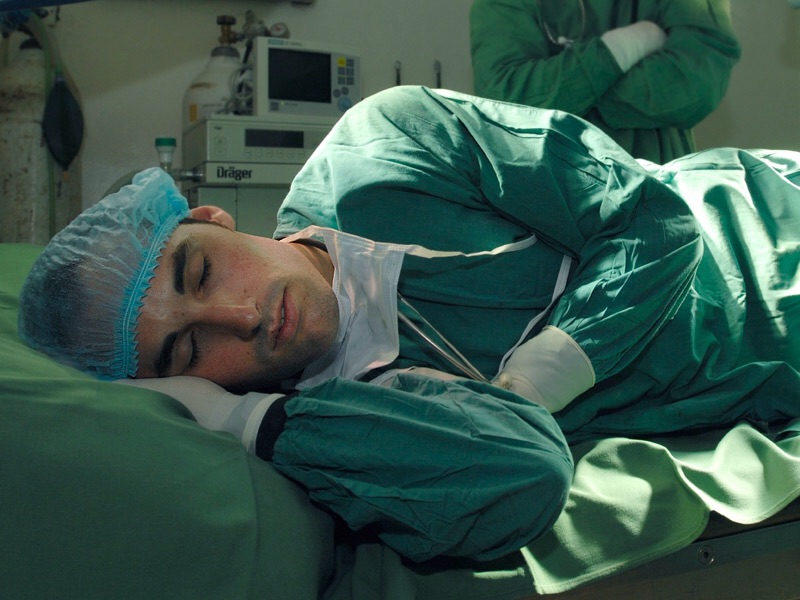
After hurriedly caring for two newly admitted patients, while receiving pages from nurses about the other patients already admitted to my service, I took a moment to “run my list.”

At 2AM on a Thursday morning, my brain required a succinct “to do” checklist to assure nothing of importance had been forgotten. Fortunately, I simultaneously happened upon my senior resident, Jacob.

He calmly asked how things were going, having left me hours before, in a trial by fire, to go about the business of running an in-patient service on Nightcall. Not that he had abandoned me, but rather, he had given me the reigns of our service and asked that I not make any decisions which caused him to question my ability as a soon-to-be second year resident.

—–
image

—–

I collected my thoughts and began rattling off updates, allowing both of us to check off a multitude of things on our list. As I made my way to the middle of our list, I let out a quick a deep sigh.

He gave me a quizzical look, to which I responded, “I need to go check on Ms. Smith’s EKG. I was supposed to do that two hours ago.”

—–

Jacob and I had been paired to work together for these two weeks since our schedule for the year had been published months earlier. It was likely intentional, as Jacob had been identified as a leader within our program, and thus someone from whom I could learn to become a solid second year resident.

Though several years my junior in age, I respected Jacob’s work ethic and pride in our residency. Despite the long hours, occasionally ungrateful patients, and stress of balancing work and a family life, he kept a positive attitude and welcoming countenance. I could easily imagine him becoming a Chief Resident, one of the designated leaders of our program who toiled in an effort to provide stability in a world of chaos.

—–

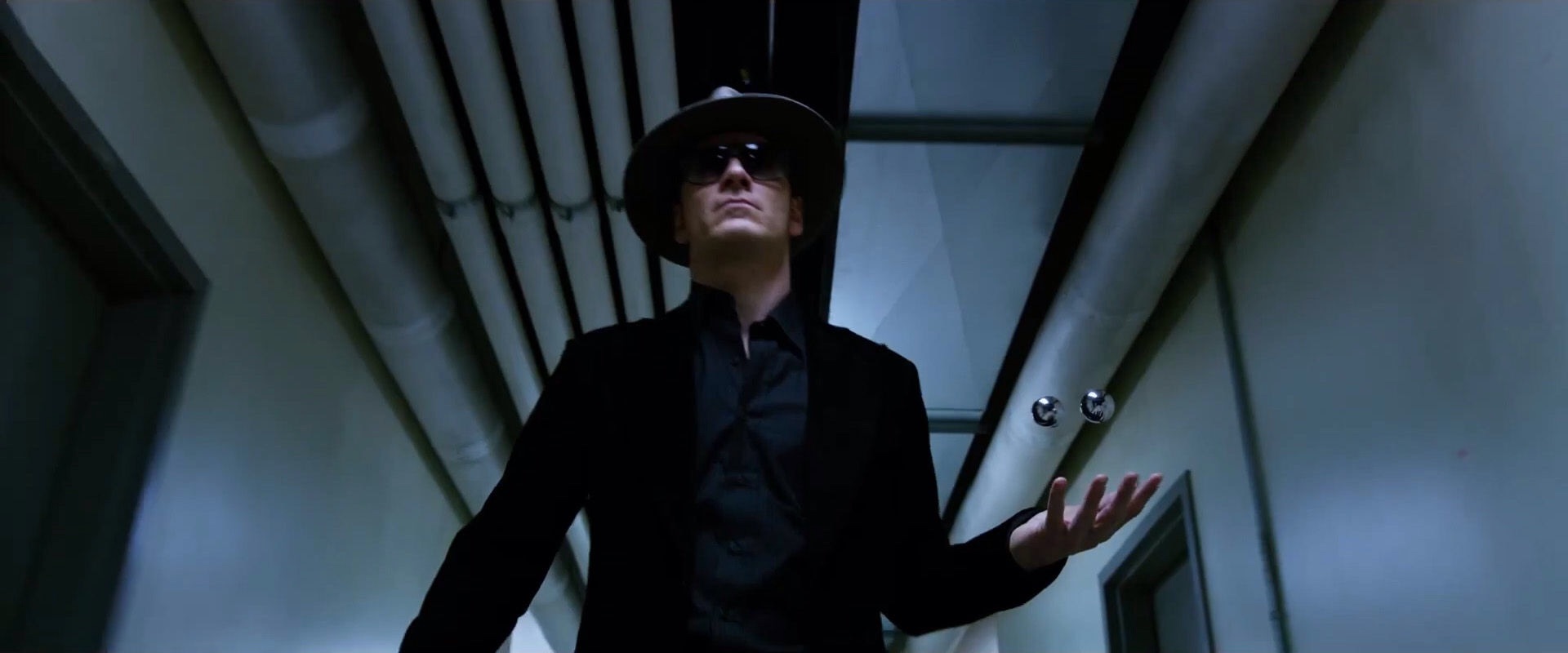
My response prompted his characteristic comforting Arkansas twang, “Oh, don’t worry, Magneto. Ms. Smith is just fine.”

—–

image

—–

As a part of friendships, work relationships, and familial bonding, nicknames are a nearly ubiquitous part of life. Having been given a multitude throughout my years, I quickly realized Jacob had provided me the latest in a long line. But unlike most of them, which were derivations of my first or last name, and typically of little creativity, “Magneto” provided me a cache not previously recognized.

I let out a quiet chuckle as Jacob informed me he had wandered up to Ms. Smith’s room at midnight, the time I had told him an EKG would be performed to determine if her pacemaker had been deactivated, allowing her to pass into death comfortably. Once there, he learned of my own creativity, which christened the birth of Magneto.

—–

I first met Ms. Smith three weeks earlier, when I was working during the day as one of the interns on our in-patient service, Clin Med. At that time, Ms. Smith was struggling with advanced heart disease, a quartet of pathologies which I termed the “Unholy Alliance”; her heart provided her four diagnoses, which together carried a high level of morbidity and mortality: congestive heart failure, atrial fibrillation, coronary artery disease, and pulmonary hypertension.

Each of these diagnoses were intimately intertwined with the others, but I had yet to see any one person carry all four. During our initial encounter, Ms. Smith was easily conversive, despite her need for supplemental oxygen, and seemed ready to battle her disease and proceed well beyond her 63 years of life. On that day, she was flanked by one of her adult sons who reflected her success as a mother.

—–

image

—–

The night I earned my nickname, Ms. Smith was flanked by that same son, as well as her two adult daughters, several grandchildren, and a couple friends. They wished to be present in her final moments.

Between these two days, Ms. Smith had a brief, but meaningful improvement in her clinical status, allowing her to return home. But her heart quickly worsened and she ended up admitted to our service again, this time in more dire circumstances. It was immediately recognized that her final days were upon her and the one daughter who did not live in Columbus was summoned from California.

—–

—–

The final daughter’s arrival from California harkened a transition in care for Ms. Smith. She had made it known if she were to have a decompensation in her status, she would not want to be maintained indefinitely.

So while her mental status waned as a result of her poorly functioning heart, we provided her some medication to prevent it from going haywire, and more importantly, did not deactivate the pacemaker embedded in her chest. Her heart kept pumping despite the malignant nature it now carried.

When the daughter arrived earlier in the day, a decision was made to stop the medications and turn off the pacemaker, allowing Ms. Smith a nearly painless transition into death.

—–

image

—–

But when I arrived to work that evening, I was notified Ms. Smith’s pacemaker was still quite functional. The nurse paged me, reporting she had waved a magnet over Ms. Smith’s chest, performed an EKG to determine if her heart was still receiving the electrical impulses from the pacemaker, and found the characteristic pacemaker spikes on the EKG print out.

Only five minutes earlier, I was informed our Clin Med service would be directly admitting two patients; these two individuals would not be coming up from the Emergency Department, where an initial assessment had been completed, but rather were being either transferred from an outside hospital or being sent in from home by one of our colleagues.

This would require assessing the patients while they were already on the floor being cared for and simultaneously providing orders by which the nurses could care for them.

Dealing with one of these would be a trial in and of itself, but dealing with two simultaneously, while responding to pages about other patients on our service, would be quite a task. Jacob asked if I could handle it, to which I responded in the affirmative.

—–

The lone impedance I saw was Ms. Smith’s pacemaker. So I hurried up to the 6th floor, walked into her room, greeted her family, and confirmed I would be deactivating her pacemaker. They thanked me for our team’s care and focused their attention on their dying mother.

I excused myself for a moment, proceeded to the nurses station, rifled through a drawer beneath a bay of computers showing the electrical activity of every heart on the 6th floor, and grabbed a large, doughnut-shaped magnet, measuring 8cm in diameter.

—–
image

—–

Having been informed the nurse had attempted to deactivate it earlier and realizing the two direct admits were awaiting my care, my eyes began searching the nurses station for something I could use to secure the heavy magnet to Ms. Smith’s chest.

I found a strap with which I felt I could secure the magnet and walked back into Ms. Smith’s room. I greeted her family again, proceeded to her bedside, and lowered the gown from her left shoulder.

I intertwined the strap in the middle of the doughnut-shaped magnet and secured it around her shoulder, resting it snuggly against her upper left chest wall. I raised the gown back over her shoulder, informed her family I would return in a few hours to check on her, and proceeded from the room.

—–

After leaving Ms. Smith’s room, I found her nurse, asked her to perform an EKG at midnight, and informed her I would return shortly thereafter to assess Ms. Smith.

When Jacob christened me “Magneto”, it was two hours after I had planned to see Ms. Smith again. He had made his way to the 6th floor at midnight to check on Ms. Smith’s heart.

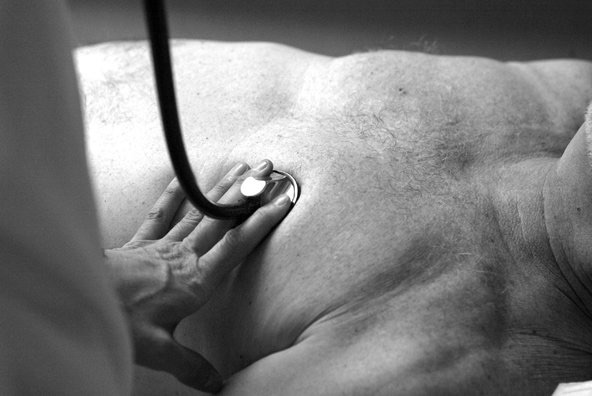
He informed me the EKG had, in fact, shown the pacemaker to have been deactivated, as I (and Ms. Smith) had wished. But deactivating her pacemaker was not like pulling the batteries from the back of a remote control, leaving her lifeless. It had simply removed the support needed to keep her heart beating more than 60 beats per minute, the lower level of “normal”.

—–
image

—–

Jacob relayed she was still alive, with a slowly beating heart, when he had gone to see her. We proceeded to run the rest of the list, I informing him of the status of our two directly admitted patients, and he of Ms. Smith imminent demise.

I left him and grabbed the elevator to the 6th floor. I slowly walked towards Ms. Smith’s room, the lights in the hallway dimmed appropriately for the time of night.

I knocked on the door, entered, and found her family members still gathered at her bedside, though overtaken with fatigue. They had made her room a makeshift resting place, blankets on the ground, tired bodies resting amongst each other, each of them soundly asleep.

And there was Ms. Smith, laying peacefully in her bed, continuing to have slow, agonal breathing, her heart surely winding down.

—-

As I quietly left the room, careful to not disturb her children and grandchildren, I took a deep breath and let out a sigh of relief.

I strolled through the darkened hallway, making my way towards the nurses’ station, but ran into her nurse before reaching my destination. She was on her way to assess Ms. Smith herself.

I informed her of my findings and asked her to keep me updated.

Five minutes later, I received a call from the nurse stating she entered the room, found Ms. Smith’s agonal breathing to have ceased, and was unable to feel a pulse. She had died.

—–

image

—–

I returned to her room some time later, having made another round through the Intensive Care Unit to assess the health, or lack there of, of the patients who were there. Her family was all awake, having been alerted to her passing, and profusely thanked me for our team’s care.

They thanked me by name and title, but were not aware of The Birth of Magneto.

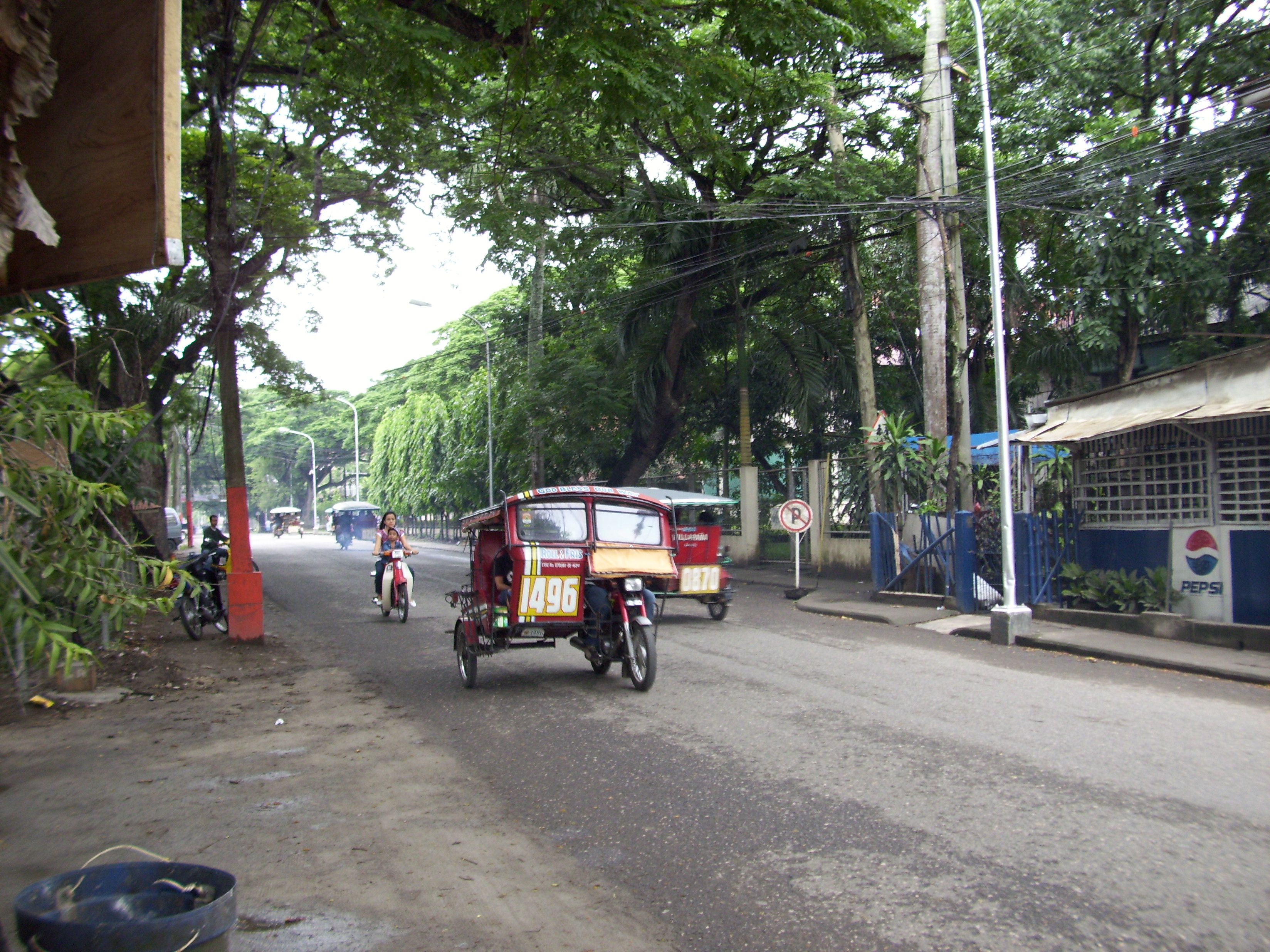
Dumaguete


Good Night Sun 2

[Dumaguete, Philippines, August 2008]

—–

As I approached the coffee shop, a man dressed in military camos pulled open the door for me, an AK-47 cradled in his right arm, his index finger comforting the trigger. I had been in Dumaguete for less than a day, but I was already certain my life had been forever changed.

“Hi Joe!”, blurted the young man working behind the counter as I stepped inside the coffee shop. I made eye contact with the AK-47 wielding security guard, as a means of thanking him, and of course, to make sure I was not about to have the butt of an AK-47 come crashing against my skull. These are the thoughts which enter a man’s mind when he’s in a foreign country and greeted by a firearm.


“Joe” was a term used to acknowledge the presence of a white guy in this city, and likely, throughout the entire country of The Philippines. A quick glance at the rest of the patrons assured myself that he was speaking to me. I was the only “Joe” in the joint, as well as the only one I had seen in the past day. [Or that I would see in the next week.]

“Jane” was the term of endearment used to greet a white woman, as Samantha had relayed to me when I landed; we would be “Joe” and “Jane” the entire week.

—–

Hibbard St. - Left

—–

So not only was I on the complete opposite side of the world from I had started this journey, but I was being allowed, basically encouraged, to assume a new identity. It seemed like something out of a Jason Bourne movie. Tropical island, new identity, beautiful woman at my side.

Of course, I was not a brain-washed assassin, but I was on vacation, so why not pretend.

—–

Fishin'

—–

I made my order at the coffee shop quickly, as there were only a few choices, and the young man working behind the counter repeated it in perfect English. Samantha had arrived in Dumaguete three weeks earlier for this reason in particular: the locals were well versed in our native language. The other reason was their cheap labor, but it was English that started the ball rolling.

When the coffee was ready, he handed me the styrofoam cup, chimed “Have a great day, Joe!” and I turned to see my friend at the door. He was still in camos and carrying an AK-47. I had not imagined it. He smiled and opened the door for me.

—–

kalashnikov-ak47

—–

He would be the first of innumerable well-armed Philippino men I would encounter in the upcoming week. Apparently every store in Dumaguete felt the need to intimidate potential bandits with a dose of lead poisoning.

During my journey from Boston to Dumaguete, a trip paid for by my girlfriend’s employer, I hadn’t really considered what I would encounter in The Philippines. I simply felt lucky to get the experience to travel for free to a new country.

My overnight lay-over had been in Hong Kong, so I had gone from a major US city to a major global city to a relatively small University town in Southeast Asia. When I strolled through the streets of Hong Kong, I was reminded of nYc, except I could not read any of the street signs.

—–

Good Morning, HK

—–

When I strolled through the streets of Dumaguete, I was not reminded of anything. I had no similar experience from which to draw.

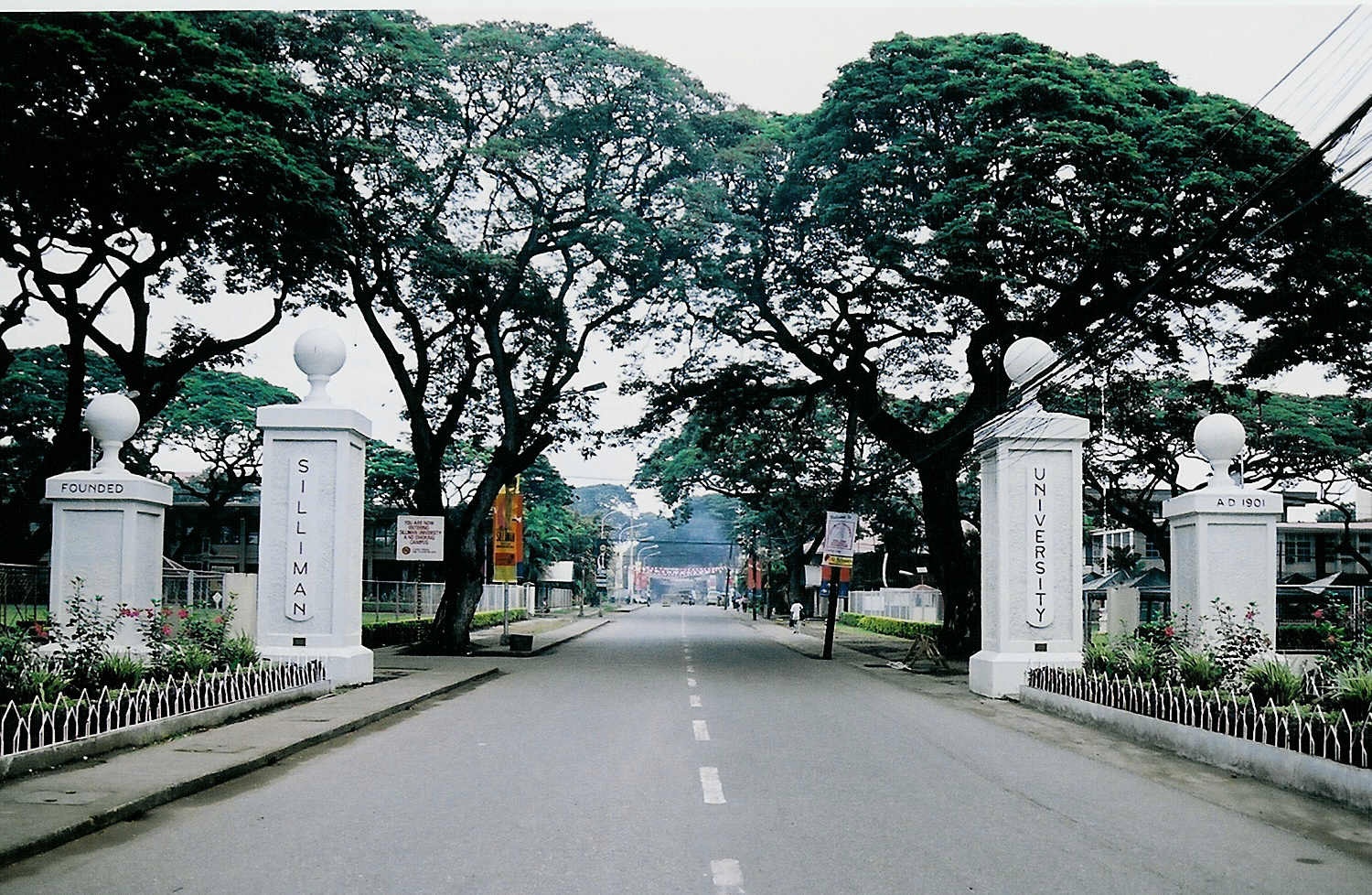
Home to Silliman University, Dumaguete had well-educated and English-speaking men and women who were looking to start a new career. My girlfriend’s employer desired access to this exact population, but also individuals who were able to work during the “US night hours” for a US-based company… for significantly lower pay than would be required in a city like Boston.

—–

silliman-university3

—–

Dumaguete fit the bill.

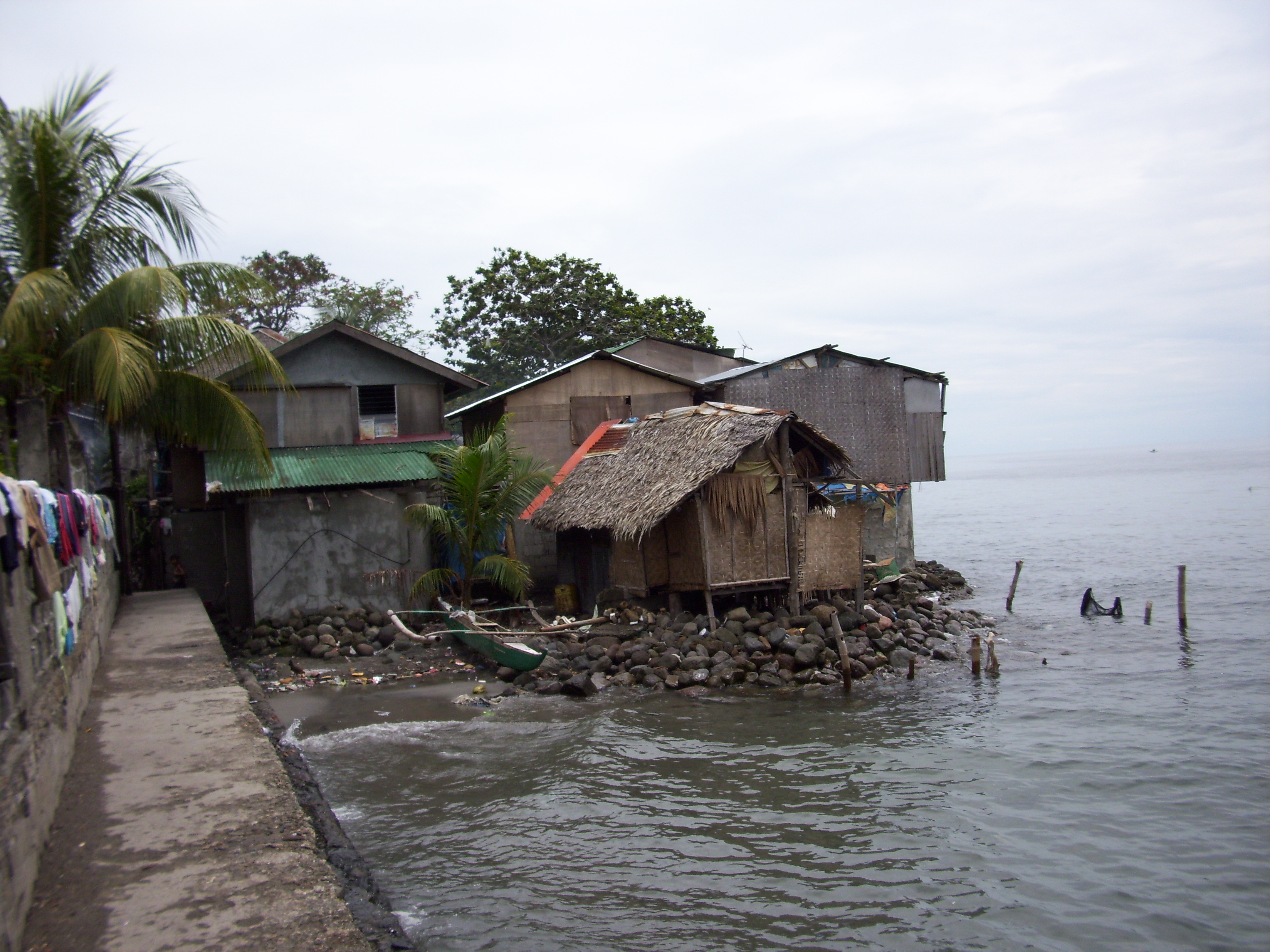
However, the well-educated and English-speaking population was surrounded by the polar opposite, a significant number of destitute, non-educated, non-English speaking Philippinos who had limited access to anything I would consider basic necessities.

—–

Local Court

—–

I had experienced poverty first-hand in my adult life prior to my arrival in Dumaguete, but this poverty was nothing like what we have in the US.

While Samantha slept during the daytime hours [she was working US hours to stay in constant contact with her home office in Boston], I would meander around Dumaguete, hailed as “Joe” by every small child, grown adult, elderly woman, and AK-47 wielding Philippino I met.

One morning I strayed over a mile from the city center where we were lodged in an upscale hotel and found myself in abject poverty.

There was no running water, simply a spigot where little boys and girls would carry a bucket and then pump on the handle so they could rinse themselves back in their shack. Chickens flapped their way down the dirt-strewn pathways.

—–

Saturday Morning

—–

I walked in between the shanties and each time a child would see me, he or she would shout, “Hi JOE!!!”

When I pulled out my camera a couple of times to take a picture of the ocean, one would invariably get louder than the others, until I would turn, see them smiling as bright as the sun beaming down on the Pacific ocean, and snap a picture of them. Then they would scatter, only to reassemble a few moments later.

It seemed like something out of a UNICEF commercial; and I was walking through it, completely phased by what I was experiencing.

—–

My Motto

—–

The more I wandered the borders of Dumaguete and Silliman university, the more I saw and the more I thanked my lucky stars for being born in Wichita, KS, rather than one of the bazillion locations on planet Earth where a day-to-day struggle to stay healthy and alive is real; even in the 21st century.

Semblances of American existence had permeated their life, like Coca-Cola and crappy rubber basketballs, but even these were found only in the city center.


Obviously the island nation of The Philippines is not a homogenous poverty-stricken death trap, but when you compare the resource availability of the poorest of the poor there to our socially secure structure here, it is night and day.

Numerous other experiences had already made me appreciative of my life prior to that week in The Philippines, but by the time I landed back at Logan, I was irrevocably changed.

—–

Risky Business

—–

Not in a “I’m gonna donate money to help poor orphans in The Philippines” type of way. But in a “I’m one lucky son of a bitch who shouldn’t take for granted any opportunity or allow anyone else tell me how my life should turn out.” Being born in a mid-sized Midwest city had given me that chance.

If I had been born in a shanty in Dumaguete, Philippines, I would be lucky to be opening doors to a coffee shop for “Joe” while wearing my military camos and cradling my AK-47.

—–On the Water

the one percent

image

—–

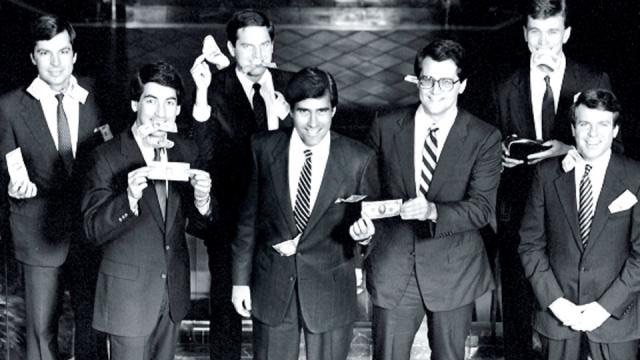
In the Fall of 2011, while in the midst of studying for my first medical licensing exam, a time period in which most students become so immersed in learning the filtration properties of the proximal convoluted tubule of the kidney that they can’t tell you the day of the week, I managed to catch a glance of the New York Times every once in a while.

What I saw was amazing; the type of social uprising with which Stalin would have thought intriguing. My interest in Occupy Wall Street, bristling in nYc’s Zuccotti Park, stemmed more from an educated curiosity  than a support of the movement, but its occurrence and my observance provided a daily reprieve from the mind-numbing studying.

—–

image

—–

And perhaps more importantly, if everything went as planned, if all of my hard work, hours of memorization, and time spent differentiating between the etiologies of monocular glaucoma and retinal detachment, I would become part of a different one percent.

The Occupy Movement, as it became known, was an example of the age-old battle between the “haves” and “have nots”, except on a grander scale, as the “have nots” were meant to be representative of the 99% of American’s who do not possess the majority of our Nation’s private wealth. Wall Street, with it’s perceived “fat cat” mentality, was the optimal target, emblematic of the wide gulf between wealth and poverty in our country.

—–

image

—–

My curiosity was piqued for multiple reasons, not only because of the precipice on which I found myself, but because I believed our immediately digital world was bringing this tale directly into anyone’s home who was willing to log on to the internet, click a link on YouTube, or haphazardly skim a front page article in any leading newspaper.

It’s not as if I was surprised by the willingness of many Americans to embrace the Occupy Movement (until it descended into mass chaos); most Americans long for the financial independence they feel has been squelched by the One Percent.

—–

—–

Given my education and opportunities I have been and will be afforded because of it, I have a hard time agreeing with that mentality. The economy does not work in a way that is “understandable” to most Americans; I don’t mean to belittle the knowledge of most Americans, but I truly believe it.

The economy on which America was founded basically depends on such a massive inequality between the 99% and their villainous opposition.

Yet, I digress, as the One Percent I associate myself is not the behemoths of industry, finance, and politics embodied in the fervor of the Occupy Movement. Instead, my access point to the One Percent is my profession: a physician in America.

—–

image

—–

When I awoke from the immersed slumber of studying for the aforementioned medical licensing exam, which once passed allows medical students to participate in patient care in a hospital setting, I had ample time to re-acclimate myself to the goings-on of America. At the forefront was the Occupy Movement, which in Boston where I resided, was taking place not far from South Station.

While awaiting my 3rd year of medical school schedule, I decided to journey to several major cities on the East Coast and Midwest where I might be placed in order to investigate  the hospitals at which I might train; or choose not to train at, depending on what I concluded.

Included in this whirlwind was New York City, the birthplace of the Occupy Movement.

—–

image

—–

My association with the One Percent is not one I am “excited by”, as in, I am not looking forward to the day when I am afforded financial independence because I am a well-compensated physician. In fact, at no time in the entire process of deciding to reverse course on my entire professional career and become a physician was I motivated by the idea of making money.

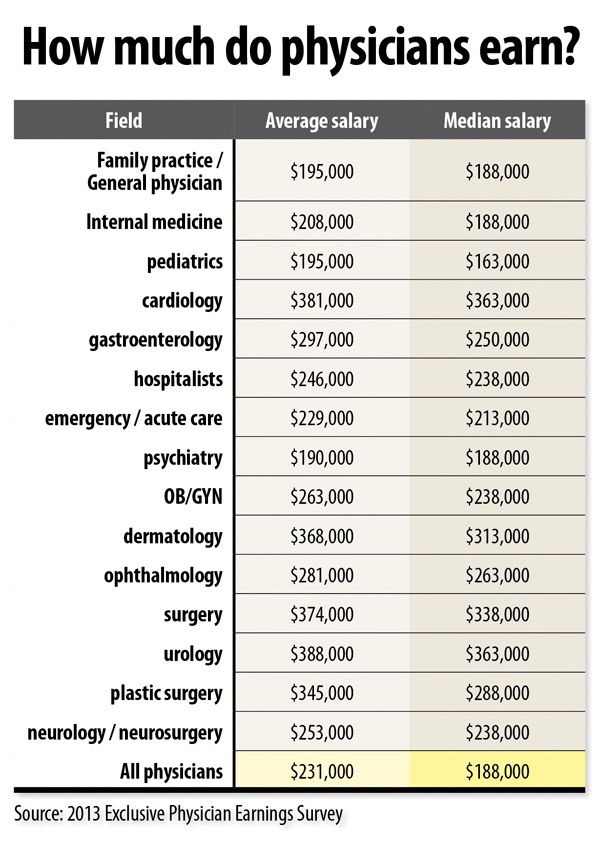
This is due in most part to the reality of having a much more lucrative career in any number of other fields without incurring such massive financial debt in the process. Despite such a fact, the average income of a physician, even when including paying off said debt, will afford a comfortable salary and lifestyle (idiotic purchasing habits and tendency to live outside of exorbitant means, notwithstanding).

—–

https://youtube.com/watch?v=akiVi1sR2rM

—–

And so it is this fact, the one in which I possess an education which allows me to be well-compensated, that puts me in an overlying bracket of the One Percent.

I certainly do not anticipate accruing the assets necessary to be part of the 1% of Americans who possess >50% of the individual wealth in this country, the scourge of the Occupy Movement, but I do possess an education far more in-line with the ability to do so than a massive majority of people.

Yet, within my colleagues, I have experienced a disconnect with these facts. Even in my current physician standing as a Resident, in which my salary is fixed despite the hours I practice, my income is larger than the average American family of four.

—–

image

—–

I repeat, my income as a single, white, male is larger than the typical American family income.

An example of this disconnect arose when my fellow Residents and I were gathered together to sign new contracts for the up-coming year. Our Program Director made a quick joke about our slight increase in pay, which was lamented by one of my colleagues.

She noted how awkward it was that hourly employees of the hospital could be rewarded with an end of the year bonus, but our current status as Residents, prevented us from any such potentiality.

Our program director quickly pointed out how despite our “low-wage” we still made significantly more than an hourly employee who was eligible for an end-of-the-year bonus.

—–

image

—–

Such a disconnect is not uncommon within the Resident physician echelon, as I have been hearing about it from every friend and colleague in the medical field since long before I joined their ranks.

But for my salary, in two years it will double. Or triple. Or quadruple. Or quintuple… or… whatever I want it to do depending on the number of hours I want to work, the type of physician practice I join or don’t join, the geographic area in which I live, and any number of other factors I chose to include.

To have those options almost seems ludicrous to me. But they are true.

And at times, the possibility of making a salary more recompense with my education and expertise enters my mind when I glance at my bank account and calculate how much goes towards paying school loans.

—–

image

—–

Another colleague, after visiting the home of one of our faculty, remarked to me how humble her home was. This was despite the fact it was located in a well-to-do neighborhood and the obvious investment evidenced by the interior of the home. He wondered why a physician would choose to live in such a place, “unless she’s not really into money.”

I was not alarmed at his callous miscalculation; it’s incredibly common amongst the One Percent I will soon join.

Even now, when my salary is a little egg, waiting to hatch after a few more years of incubation, I can appreciate the gulf between the 99% and the 1% as it was laid out during the Occupy Movement. The “have-nots” will always want to be a “have”.

—–

image

—–

By the time my sojourn across the Midwest and East Coast landed me in nYc there had been rumbles of the approaching demise of the Occupy Movement. Story after story, video after video, documented how it had lost its initial intention, but I needed to see it for myself.

The evening I arrived I slept on the couch of some close friends. I awoke the next morning, jumped on the train and headed straight for Zuccotti Park.

I stormed up the subway stairs ready to embrace the chaos I had heard so much about, but it was gone.

All of it. In the midst of my previous day’s travels and late arrival, a plan had been put in place and executed to end Occupy Wall Street.

—–

—–

The end of a movement. The end of my curiosity? It all enhanced my desire to not be a member of the One Percent, despite a plotted collision course with exactly that mentality.

Man & Machine

Elbrecht's avatarElbrecht's Corpuscle

image

—–

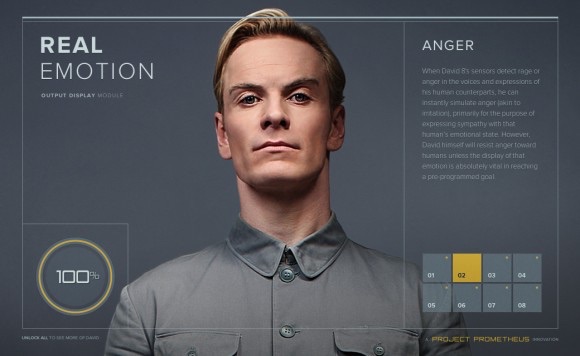
The most difficult course I took as a college undergrad at Miami University was entitled “Robots and Humans.” It was a “senior capstone”; the purpose of “capstone” courses was to bring together several divergent subject matters in the realm of the major course of study of a student.

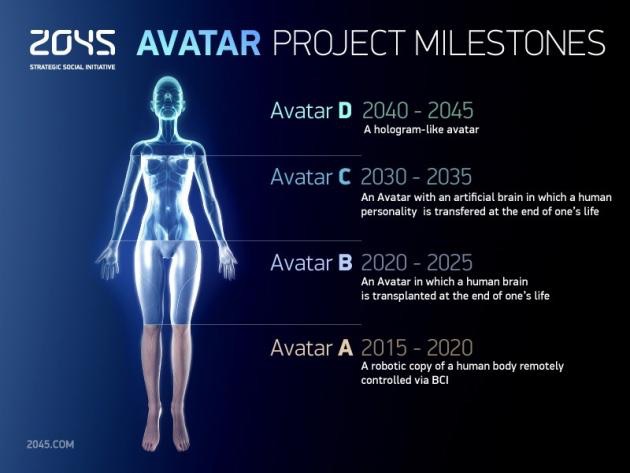
As a psychology major, the general idea of a capstone was to filter some idea through a psychological lens. “Robots and Humans” focused on the idea of technology, in the form of robots, and how psychology could understand the role of robots in human society and the potentiality of robots becoming human, or at the very least, human-like.

—–

image

—–

The difficulty of this course was in the wide scope of subject matter that was included: mathematics, philosophy, electronics, neural networks, sociology, economics, etc. But the basic premise of the course was to examine the questions of “what does it mean to be human?” and “can we blur the line…

View original post 1,528 more words