The Allies of Magneto


image


The Birth of Magneto

The Rise of Magento

The Opposition to Magneto

Residency is a right of passage (and requirement) in the development of anyone altruistic, sadistic, or narcissistic enough to pursue a career as a physician in America.

The progression of each individual, man and woman, from naïve undergraduate pre-medical student to naïve medical student to overwhelmed Resident to newly-minted Attending Physician is a long and tiring process; Residency represents the final and most taxing leg in this pursuit.


image.jpg


Depending on the field of medicine pursued, the training in Residency will span 3 to 5 years, potentially longer if one desires even more specialized training.

Each of these years brings with it new challenges, burdens, and failures; these are buttressed by the highlights, accolades, and patients who refer to you as “my doctor.”

None of these are equal or in proportion to the amount of time invested.

Not everyone who starts Residency finishes.

The product of each and every Residency is the Resident it transforms from medical school graduate into Attending Physician. This metamorphosis is akin to the sluggish caterpillar being reborn as the majestic butterfly.


image


Though each Residency has a “class of Residents” representing each year of training, the outcome for each of these members may not be the same; certainly the process will not be the same, as individuals have their medical knowledge and clinical skills carved out with every moment of their individual training.

Only on the very last day of Residency will every member of each Resident class have completed, in differing sequences, the requirements to achieve the status of Attending Physician.

They will have encountered different patients, performed a myriad of diverse procedures, and possess thousands of hours of clinical experiences.


image.jpg


The Residency program in which I find myself is no different. I am now a member of the PGY-3 (3rd year) class; the last year of our training.

At this juncture, I have cared for thousands of patients, spent nearly 7000 hours practicing my craft, and been bestowed with a persona I could have never imagined.

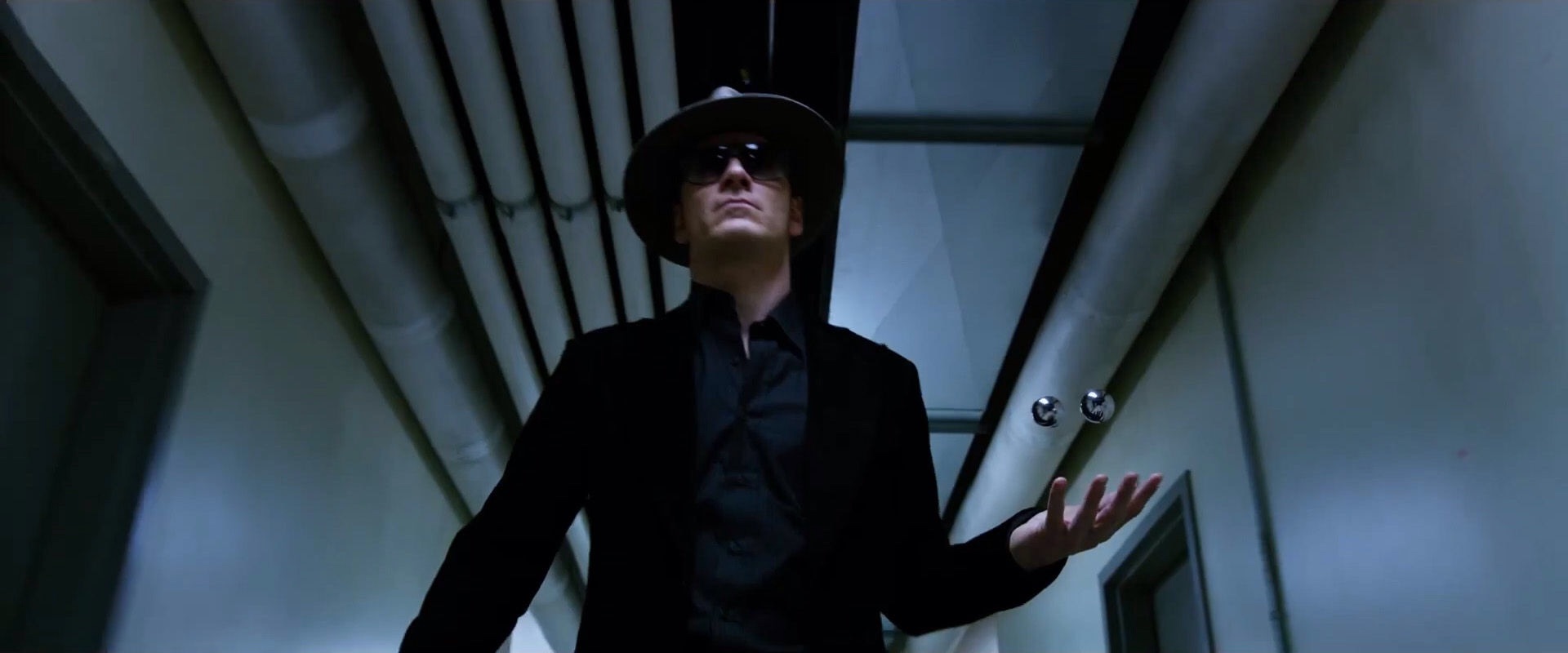
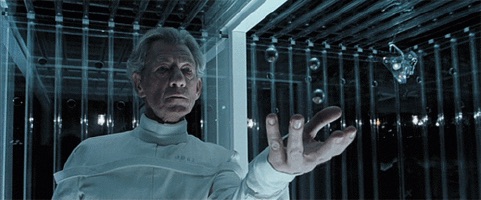
Amongst my peers, I have become Magneto; born from the cauldron of uncertainty brewed during Night Float; and then battling amongst the other aspects of my developing psyche, every day inching closer to becoming an Attending Physician.

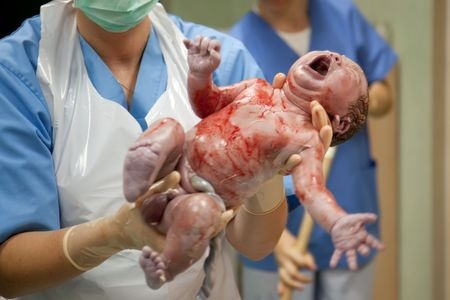
But there are others like Magneto, each whom have been submerged in the icy depths of a Code Blue, roared into the uncertain waters of a Septic Shock, withstood the calamity of a bezerk office patient, and succumbed to the simultaneous terror and awe of newborn’s cry.

They are The Allies of Magneto.


image


In our program, The Allies of Magneto have the opportunity to train in all aspects of medicine: obstetrics, gerontology, surgery, trauma, cardiology, nephrology, critical care, gynecology, pediatrics, acute care, neurology, and chronic disease management.

We each develop strengths and weaknesses, preferences and avoidances, as a means to mold our calling as society’s guardians of health and wellness.

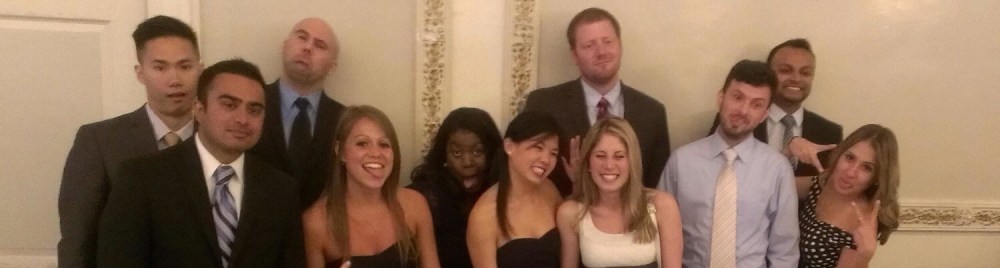
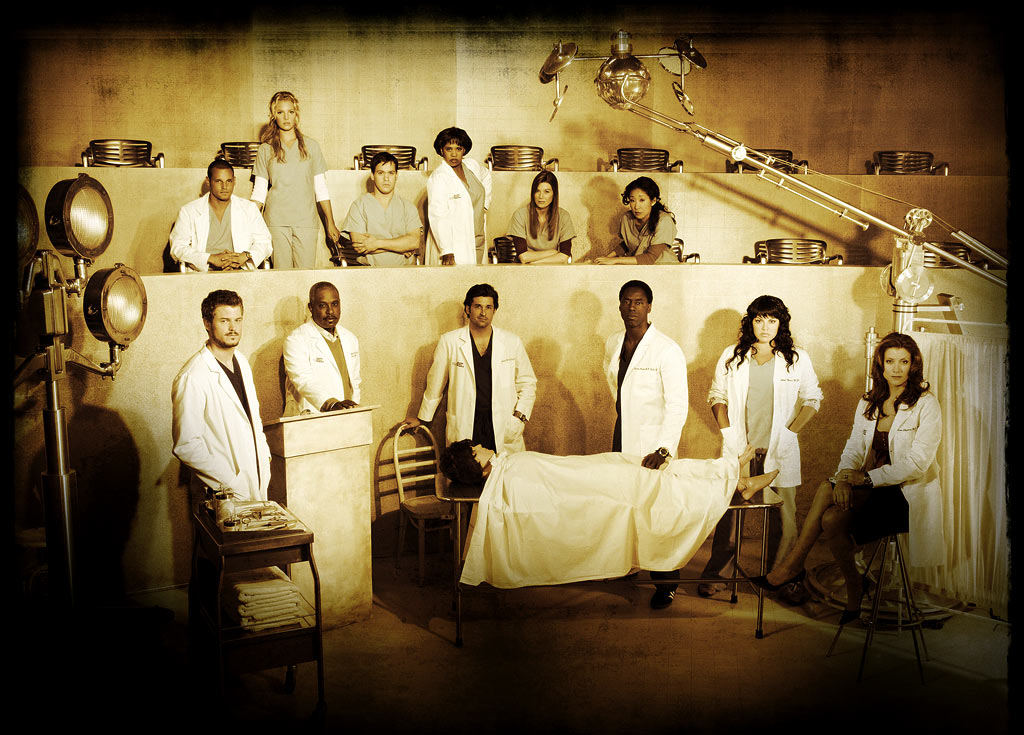
Red Panda, The Prince, Joker, Doc O, Big Red, Jane Grey, and BeastMode, amongst others, have shared moments of fear, trepidation, joy, anxiety, and solace with Magneto.


image


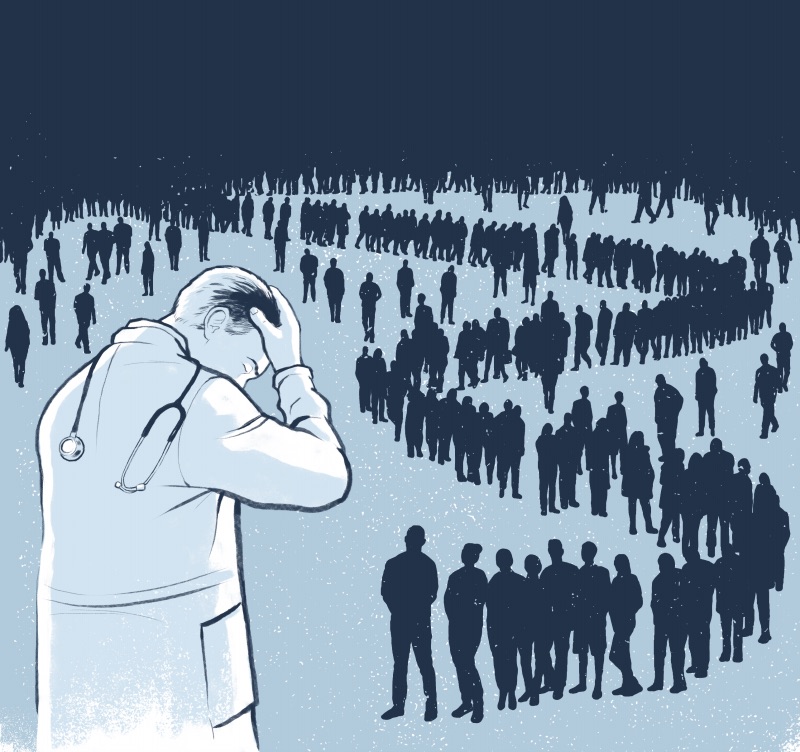
Each has toiled within the confines of a profession on the brink of meltdown and burnout. Each has contemplated a life outside of medicine. Each has longed for the ability to practice as they preach.

Each of them, now on the precipice of completing the journey to Attending Physician, having been taught to “Do No Harm”, have a host of decisions to make.

Who have they become amidst the countless hours of training?

How can they salvage their innate desire to do good, damn the barriers and obstacles placed in front of them?

Are they ready for what lay ahead?


image


For those who have joined Magneto on this winding journey, one chapter will soon come to an end.
But the author’s pen is patiently waiting, the next chapter slowly bubbling to the surface.

The Allies of Magneto, a group matured by the innumerable hours caring for those who seek their aid, hope to simultaneously shape their future and the future of those they serve.

No longer will the icy depths of a Code Blue, the uncertain waters of a Septic Shock, the calamity of a bezerk office patient, and the simultaneous terror and awe of newborn’s cry, cause them trepidation.

Instead, they will emerge from a 3-year-long cocoon to become the next generation of Family Physicians, forever remembered in my mind as The Allies of Magneto.


image


The Birth of Magneto

image

—-

After hurriedly caring for two newly admitted patients, while receiving pages from nurses about the other patients already admitted to my service, I took a moment to “run my list.”

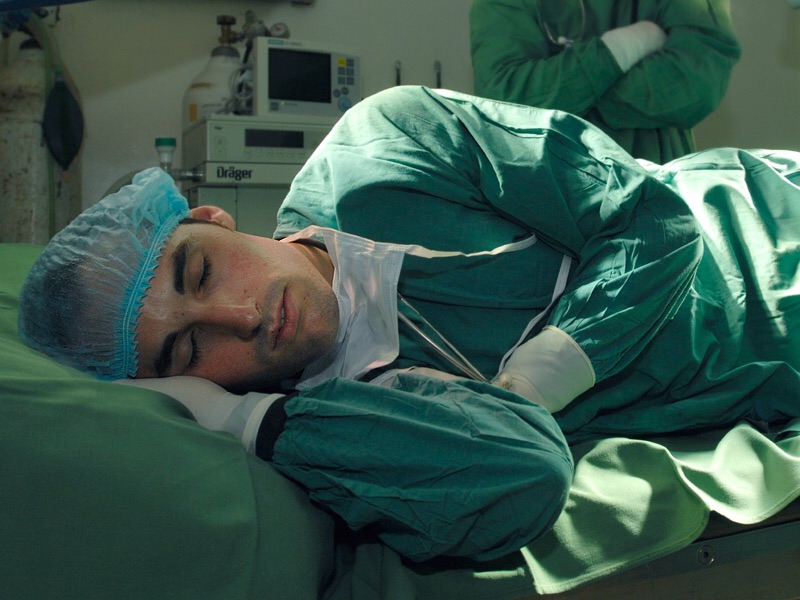
At 2AM on a Thursday morning, my brain required a succinct “to do” checklist to assure nothing of importance had been forgotten. Fortunately, I simultaneously happened upon my senior resident, Jacob.

He calmly asked how things were going, having left me hours before, in a trial by fire, to go about the business of running an in-patient service on Nightcall. Not that he had abandoned me, but rather, he had given me the reigns of our service and asked that I not make any decisions which caused him to question my ability as a soon-to-be second year resident.

—–
image

—–

I collected my thoughts and began rattling off updates, allowing both of us to check off a multitude of things on our list. As I made my way to the middle of our list, I let out a quick a deep sigh.

He gave me a quizzical look, to which I responded, “I need to go check on Ms. Smith’s EKG. I was supposed to do that two hours ago.”

—–

Jacob and I had been paired to work together for these two weeks since our schedule for the year had been published months earlier. It was likely intentional, as Jacob had been identified as a leader within our program, and thus someone from whom I could learn to become a solid second year resident.

Though several years my junior in age, I respected Jacob’s work ethic and pride in our residency. Despite the long hours, occasionally ungrateful patients, and stress of balancing work and a family life, he kept a positive attitude and welcoming countenance. I could easily imagine him becoming a Chief Resident, one of the designated leaders of our program who toiled in an effort to provide stability in a world of chaos.

—–

My response prompted his characteristic comforting Arkansas twang, “Oh, don’t worry, Magneto. Ms. Smith is just fine.”

—–
image

—–

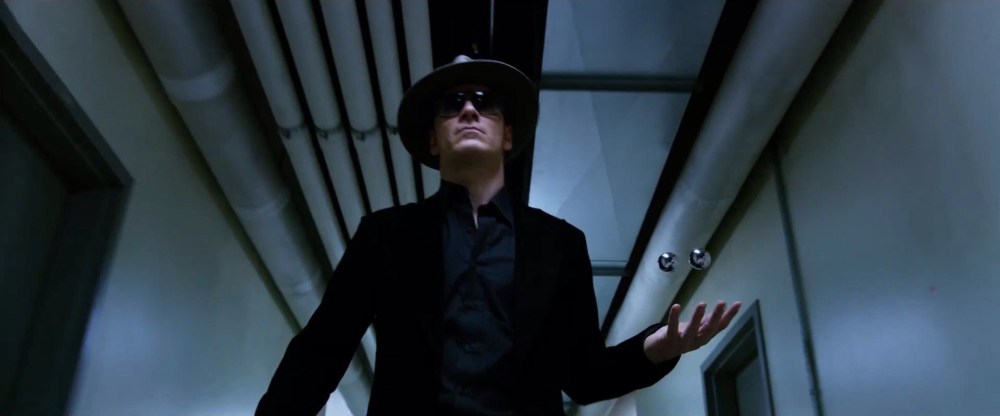
As a part of friendships, work relationships, and familial bonding, nicknames are a nearly ubiquitous part of life. Having been given a multitude throughout my years, I quickly realized Jacob had provided me the latest in a long line. But unlike most of them, which were derivations of my first or last name, and typically of little creativity, “Magneto” provided me a cache not previously recognized.

I let out a quiet chuckle as Jacob informed me he had wandered up to Ms. Smith’s room at midnight, the time I had told him an EKG would be performed to determine if her pacemaker had been deactivated, allowing her to pass into death comfortably. Once there, he learned of my own creativity, which christened the birth of Magneto.

—–

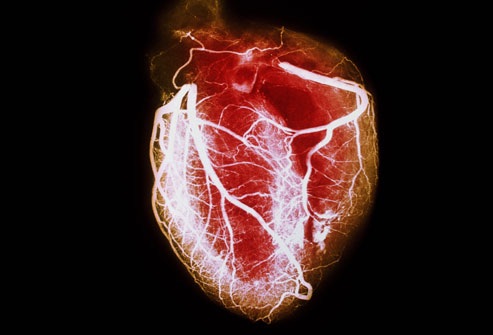
I first met Ms. Smith three weeks earlier, when I was working during the day as one of the interns on our in-patient service, Clin Med. At that time, Ms. Smith was struggling with advanced heart disease, a quartet of pathologies which I termed the “Unholy Alliance”; her heart provided her four diagnoses, which together carried a high level of morbidity and mortality: congestive heart failure, atrial fibrillation, coronary artery disease, and pulmonary hypertension.

Each of these diagnoses were intimately intertwined with the others, but I had yet to see any one person carry all four. During our initial encounter, Ms. Smith was easily conversive, despite her need for supplemental oxygen, and seemed ready to battle her disease and proceed well beyond her 63 years of life. On that day, she was flanked by one of her adult sons who reflected her success as a mother.

—–
image

—–

The night I earned my nickname, Ms. Smith was flanked by that same son, as well as her two adult daughters, several grandchildren, and a couple friends. They wished to be present in her final moments.

Between these two days, Ms. Smith had a brief, but meaningful improvement in her clinical status, allowing her to return home. But her heart quickly worsened and she ended up admitted to our service again, this time in more dire circumstances. It was immediately recognized that her final days were upon her and the one daughter who did not live in Columbus was summoned from California.

—–

—–

The final daughter’s arrival from California harkened a transition in care for Ms. Smith. She had made it known if she were to have a decompensation in her status, she would not want to be maintained indefinitely.

So while her mental status waned as a result of her poorly functioning heart, we provided her some medication to prevent it from going haywire, and more importantly, did not deactivate the pacemaker embedded in her chest. Her heart kept pumping despite the malignant nature it now carried.

When the daughter arrived earlier in the day, a decision was made to stop the medications and turn off the pacemaker, allowing Ms. Smith a nearly painless transition into death.

—–

image

—–

But when I arrived to work that evening, I was notified Ms. Smith’s pacemaker was still quite functional. The nurse paged me, reporting she had waved a magnet over Ms. Smith’s chest, performed an EKG to determine if her heart was still receiving the electrical impulses from the pacemaker, and found the characteristic pacemaker spikes on the EKG print out.

Only five minutes earlier, I was informed our Clin Med service would be directly admitting two patients; these two individuals would not be coming up from the Emergency Department, where an initial assessment had been completed, but rather were being either transferred from an outside hospital or being sent in from home by one of our colleagues.

This would require assessing the patients while they were already on the floor being cared for and simultaneously providing orders by which the nurses could care for them.

Dealing with one of these would be a trial in and of itself, but dealing with two simultaneously, while responding to pages about other patients on our service, would be quite a task. Jacob asked if I could handle it, to which I responded in the affirmative.

—–

The lone impedance I saw was Ms. Smith’s pacemaker. So I hurried up to the 6th floor, walked into her room, greeted her family, and confirmed I would be deactivating her pacemaker. They thanked me for our team’s care and focused their attention on their dying mother.

I excused myself for a moment, proceeded to the nurses station, rifled through a drawer beneath a bay of computers showing the electrical activity of every heart on the 6th floor, and grabbed a large, doughnut-shaped magnet, measuring 8cm in diameter.

—–
image

—–

Having been informed the nurse had attempted to deactivate it earlier and realizing the two direct admits were awaiting my care, my eyes began searching the nurses station for something I could use to secure the heavy magnet to Ms. Smith’s chest.

I found a strap with which I felt I could secure the magnet and walked back into Ms. Smith’s room. I greeted her family again, proceeded to her bedside, and lowered the gown from her left shoulder.

I intertwined the strap in the middle of the doughnut-shaped magnet and secured it around her shoulder, resting it snuggly against her upper left chest wall. I raised the gown back over her shoulder, informed her family I would return in a few hours to check on her, and proceeded from the room.

—–

After leaving Ms. Smith’s room, I found her nurse, asked her to perform an EKG at midnight, and informed her I would return shortly thereafter to assess Ms. Smith.

When Jacob christened me “Magneto”, it was two hours after I had planned to see Ms. Smith again. He had made his way to the 6th floor at midnight to check on Ms. Smith’s heart.

He informed me the EKG had, in fact, shown the pacemaker to have been deactivated, as I (and Ms. Smith) had wished. But deactivating her pacemaker was not like pulling the batteries from the back of a remote control, leaving her lifeless. It had simply removed the support needed to keep her heart beating more than 60 beats per minute, the lower level of “normal”.

—–
image

—–

Jacob relayed she was still alive, with a slowly beating heart, when he had gone to see her. We proceeded to run the rest of the list, I informing him of the status of our two directly admitted patients, and he of Ms. Smith imminent demise.

I left him and grabbed the elevator to the 6th floor. I slowly walked towards Ms. Smith’s room, the lights in the hallway dimmed appropriately for the time of night.

I knocked on the door, entered, and found her family members still gathered at her bedside, though overtaken with fatigue. They had made her room a makeshift resting place, blankets on the ground, tired bodies resting amongst each other, each of them soundly asleep.

And there was Ms. Smith, laying peacefully in her bed, continuing to have slow, agonal breathing, her heart surely winding down.

—-

As I quietly left the room, careful to not disturb her children and grandchildren, I took a deep breath and let out a sigh of relief.

I strolled through the darkened hallway, making my way towards the nurses’ station, but ran into her nurse before reaching my destination. She was on her way to assess Ms. Smith herself.

I informed her of my findings and asked her to keep me updated.

Five minutes later, I received a call from the nurse stating she entered the room, found Ms. Smith’s agonal breathing to have ceased, and was unable to feel a pulse. She had died.

—–

image

—–

I returned to her room some time later, having made another round through the Intensive Care Unit to assess the health, or lack there of, of the patients who were there. Her family was all awake, having been alerted to her passing, and profusely thanked me for our team’s care.

They thanked me by name and title, but were not aware of The Birth of Magneto.

Life Sustains Us

image

—–

Part of the training to become a Family Medicine physician requires the Resident to have the ability to successfully assist a woman in the delivery her child. Depending on your religion, culture, and/or understanding of human biology, when the baby exits the vaginal canal and lets out its first cry, its life has begun.

Being a part of this experience has led Family Medicine to adopt a credo of “from the cradle to the grave”, as we have the unique blessing to care for patients from the beginning of life until death becomes us.

Nearing the end of my Intern year as a Family Medicine physician, I have now had the opportunity to train as a physician on the Obstetrics and Gynecology (OB/Gyn) service two times. The first four weeks occurred in the first half of my year and were a whirlwind of stress and re-introduction to a field of medicine which I had barely survived as a student.

—–

image

—–

During those four weeks, I constantly found myself on edge, not only because of my experiences as a student, but because I found myself as the least seasoned member of a team responsible for making sure each and every baby let out its first cry.

While a sense of relief and pride would wash over me when each baby boy or girl let out its first little squeal, most often while I was still holding it in my gloved hands, I was still tasked with several steps to assess the health of the mother after handing off the baby to the pediatrician who stood awaiting my delivery.

—–

image

—–

Those additional steps were the cumbersome parts I would rehearse in my head while staring intently at the woman’s vagina as I used my fingers to create the space needed to assist the baby’s head from tearing perineal tissue. Often times, my mind would go blank as soon as the baby made its way into my arms.

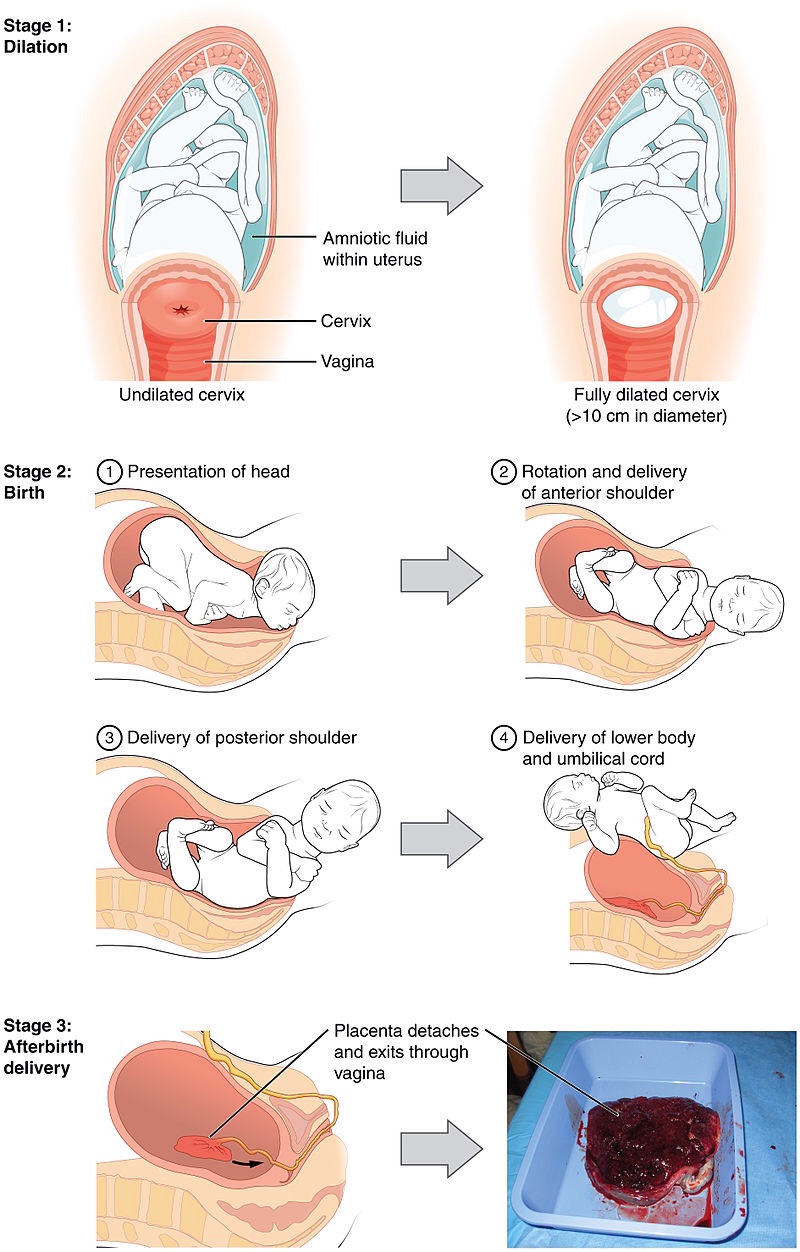
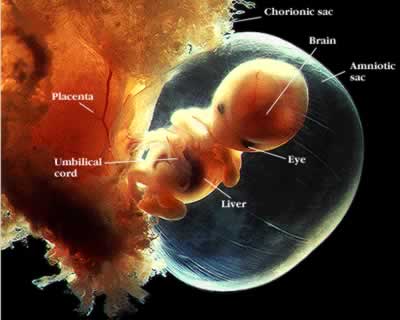
After what seemed like an eternity, which properly calculated only totaled 4-5 seconds, I would begin assessing the mother’s health, including any vaginal lacerations which may need repair, massaging the fundus of her uterus to determine the likelihood of a postpartum hemorrhage, and carefully tugging at the umbilical cord still attached to the indwelling placenta.

—–

christophersmith1_placenta_baby_in_amnion

—–


Typically within 10 minutes I would have transitioned from the foot of the bed, having delivered the newborn and the placenta, as well as completing the necessary postpartum assessments, to clickety-clacking away at the computer to document the successful delivery.

—–

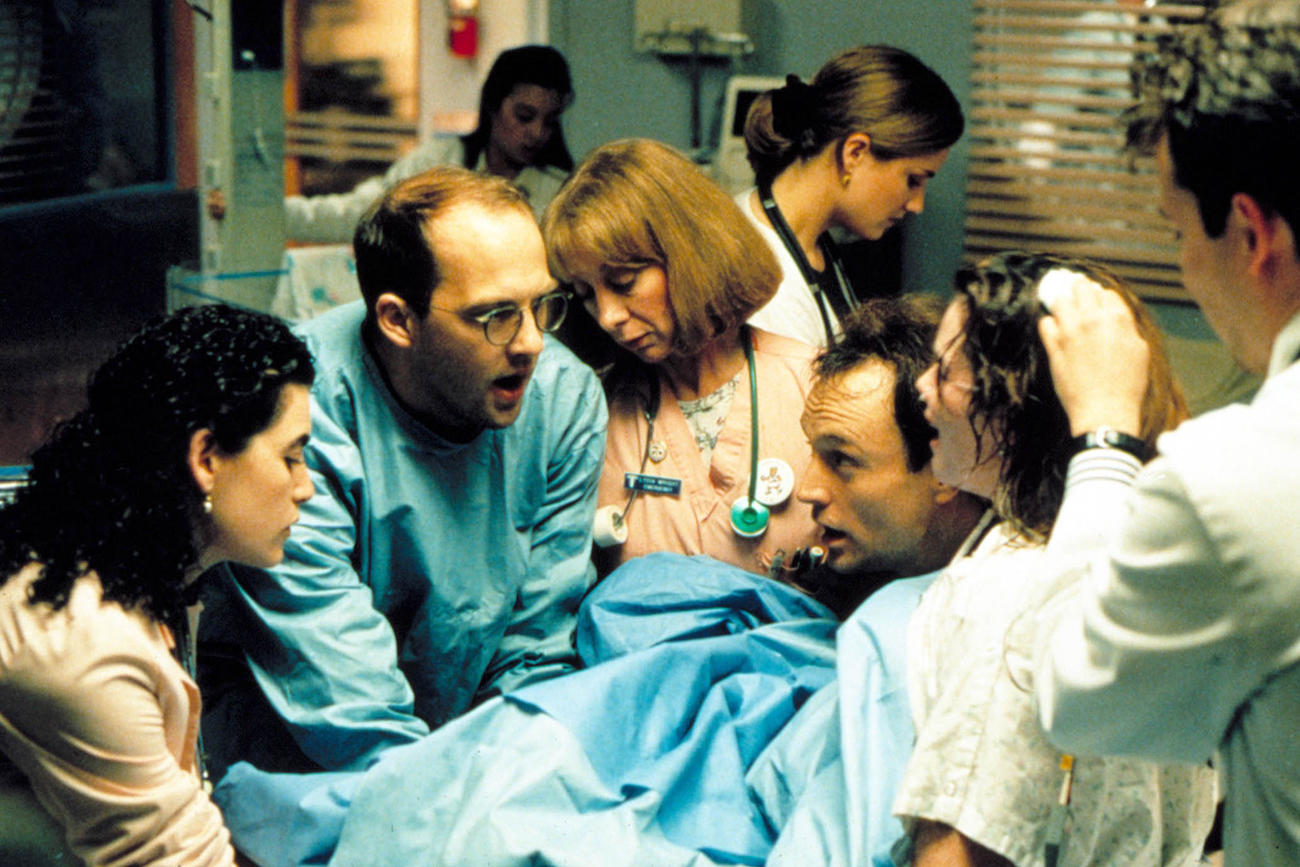
150305-news-er-anthony-edwards

—–

My second go-around on the OB/Gyn service was nearly identical in substance to the first four weeks: women of different stages of pregnancy coming into Labor and Delivery Triage to be told if they were or were not in labor, often requiring me to perform speculum checks and cervical exams; actively laboring women begging for epidurals and anxiously awaiting their newborn while I paid hawk-like attention to the monitors assessing fetal heart tones and uterine contractions; rounding before the crack-of-dawn on women post-delivery, assessing their postpartum needs; and imparting my seemingly minimal medical and clinical knowledge of Obstetrics and Gynecology to the even less-knowledgeable medical students I was tasked with teaching.


But while the substance of the second four weeks was nearly identical, my experience as a physician training in this foreign world was markedly different. By the time I showed up for the second-go-around I was a substantially different physician; it is utterly unconscionable how much things had changed in five months…

how much things had changed in me…

how much things had changed in me as a physician…

how much things had changed in me as a physician responsible for the care of a pregnant woman and her unborn baby…

how much things had changed in me as a physician responsible for the care of a pregnant woman and her unborn baby while being the leader of the medical team.

—–

image

—–

Suffice it to say, it was an overwhelmingly different four weeks. And by no means was I the lone physician paying excruciating attention to the women and their unborn babies, as I was assisted/supervised by a 2nd or 3rd year OB/Gyn resident and Attending physician, but the knowledge and experience I acquired during the initial four weeks allowed me a level of comfort in my own capabilities that I had not anticipated.

The knowledge and experience in regards to the medical aspects of physiology, biochemistry, and anatomy involved in OB/Gyn were certainly at the forefront of increasing my comfort level, but it was actually my knowledge and experience of the other members of the care team that proved to be my greatest asset.


Not that other medical services in the hospital don’t have exquisitely trained nursing staff, but the OB nurses are in a class all by themselves… and if you don’t respect that, they will bury you. Bury you in a world of cervical checks, bleeding vaginas, and spasming uteri.

Think about that for a second… spasming uteri. It used to give me chills even thinking about it… but that was way back when… when I was still learning about how life sustains us. Now I know to give some gentle uterine fundal massage. And run the pitocin wide open.

—–

sleeping-resident

Gray’s Anatomy… continued

1


Gray’s Anatomy… Part I


Other than the hub-bub of “gowning up” every time I needed to see a patient, I enjoyed the four weeks I spent on the Infectious Disease service for a few reasons. First off, our Attendings (the most senior physician who bears most of the underlying responsibility) had been stellar, taking the time and effort to teach us what we needed to recognize as physicians to take care of these growing humans.

Secondly, I enjoyed the day-to-day interaction with the 3rd year medical students who were on our service. I could remember being in their shoes only a few years earlier and had been fortunate to have a few interested Residents teach me how to become a physician. So in like mind, I put forth the effort to interject some critical thinking into their minds during rounds and support their own journey towards becoming a physician.


http://www.youtube.com/watch?v=-OSI-9fo_5o


Yet, after a month of slipping into a yellow contact precaution gown and sliding a droplet precaution mask over my face every time I entered a patient’s room, I was elated to transition to the Hospital Pediatrics service, a mini-Clin Med of sorts.

While I was excited to be on this new service, I was shocked to see the amount of behavioral medical issues that came pouring through the ED. Nearly every night, there would be one or two more suicide attempts, psychotic breakdowns, violent traumas, or kids with simply bizarre behavior admitted on to our service.

Even more concerning, was the existence of a second Resident-run Hospital Pediatrics service, who would also “take on” an equal number of similar admissions each night. The number of admissions became so high that at one point a 3rd service was initiated, run solely by Attendings, only for the behavioral medicine admissions.

—–

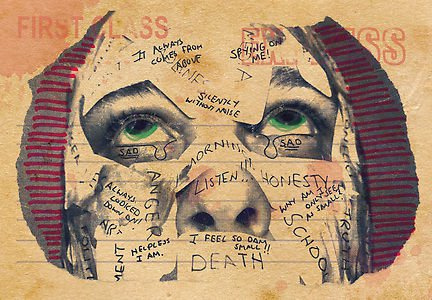
mental-illness-face-with-eyes-looking-up

—–

There is some messed up stuff going on in this world… And one of the points of identification is the Children’s Hospital Emergency Department.

Thankfully, not all is lost and I cared for many children whose medical problems were cured by antibiotics, hydration, technologic advances, and surgical interventions. The look on a parent’s face when their child has survived a hospitalization is incomparable. The intimate relationship you can build over a few hours with another human being when you are their physician, or even more so their child’s, is at the core of why I chose this for my life.

—–

AA042255

—–

The next stop on the Internship Train was a month of Obstetrics and Gynecology. As I mentioned in Part I, my six weeks of Ob/Gyn as a student resulted in a two-week “Journey to Reclaim My Soul.” So I must admit, I came into the Ob/Gyn service as a resident with a bit of trepidation.

While I was excited to see the first breath of life for many new babies, when you know you are going to be the one sitting on a stool at the end of a bed as a woman pushes that oxygen-requiring baby towards you, there is a bit of responsibility that comes into play. Even armed with the knowledge that women have been delivering babies for centuries upon centuries with minimal medical intervention, when you are the one charged with helping the baby out of the vagina, it seems like the most monumental task in the history of mankind.


I had been allowed to assist in a couple of deliveries as a student, so I could roughly remember the feeling of a slippery newborn, but nothing prepares you (or specifically, me) to show up on Day 1 and deliver a baby.

But that is exactly what I did. And then again. And again. And again.


Each time it happened during the service was similar, but also dissimilar, to the last. My participation seemed to be the least natural thing I could possibly be doing at that given moment in time. Yet, I would go over and over in my head what I was supposed to be doing: where I should be putting my hands on the vagina, how I should cradle the baby’s head as it popped out, where I should clamp on the umbilical cord, who should I hand the baby to, and on, and on, and on.

—–

baby-after-being-born

—-

Until all of a sudden, the baby was resting on the mother’s stomach, I had delivered the placenta, cleaned the “birthing area”, counted the instruments and gauze pads, and was ready to tear off the sterile gown, gloves, face mask, and booties like Walter White leaving the meth lab.

—–

walterwhite

—–

Upon exiting the birthing suite, I would congratulate the mother and surrounding family again, flash a broad smile, and feel the cortisol levels dropping in my blood stream.

A fitting follow-up to Obstetrics and Gynecology was a four-week vacation on our Surgery Out-patient service. Of course, this wasn’t actually a four-week vacation, but when the hours go from roughly 6A-6PM and 6P-6AM to 8a-5p and there are no screaming babies popping out of vaginas, everything seems like a vacation.

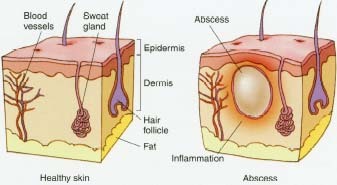
Unlike Ob/Gyn where each day was roughly similar in its expectations, this service was filled with a hodge-podge of different surgical specialties. In the Colo-Rectal surgeon’s office I saw more anuses and hemorrhoids than I would care to admit. On Wednesday mornings the Podiatrist would quiz me on foot X-rays and show me how to wield a scalpel on nasty diabetic foot ulcers. The general surgeon had me poking and prodding at inguinal hernias and draining abscesses.

—–

abscess

—–

In order to remind us we were not on vacation, but actually real-life-physicians, I also spent a two weekends that month covering the In-Patient surgical service. In effect, it was the Clin Med for Surgeons: replacing electrolytes, ordering pain medications, changing wound dressings, and evaluating patients for surgical emergencies. Not exactly the exciting life of a Trauma surgeon, but I’ve done worse.

My 7th service found me back on… Clin Med. During our Intern year, we spend two months apiece on Clin Med and OB/Gyn, so making it back to Clin Med represented a half-way point in my year… and gave me the feeling I might actually make it after all.