Love


The Allies of Magneto

Residency is a right of passage (and requirement) in the development of anyone altruistic, sadistic, or narcissistic enough to pursue a career as a physician in America.
The progression of each individual, man and woman, from naïve undergraduate pre-medical student to naïve medical student to overwhelmed Resident to newly-minted Attending Physician is a long and tiring process; Residency represents the final and most taxing leg in this pursuit.

Depending on the field of medicine pursued, the training in Residency will span 3 to 5 years, potentially longer if one desires even more specialized training.
Each of these years brings with it new challenges, burdens, and failures; these are buttressed by the highlights, accolades, and patients who refer to you as “my doctor.”
None of these are equal or in proportion to the amount of time invested.
Not everyone who starts Residency finishes.
The product of each and every Residency is the Resident it transforms from medical school graduate into Attending Physician. This metamorphosis is akin to the sluggish caterpillar being reborn as the majestic butterfly.
Though each Residency has a “class of Residents” representing each year of training, the outcome for each of these members may not be the same; certainly the process will not be the same, as individuals have their medical knowledge and clinical skills carved out with every moment of their individual training.
Only on the very last day of Residency will every member of each Resident class have completed, in differing sequences, the requirements to achieve the status of Attending Physician.
They will have encountered different patients, performed a myriad of diverse procedures, and possess thousands of hours of clinical experiences.
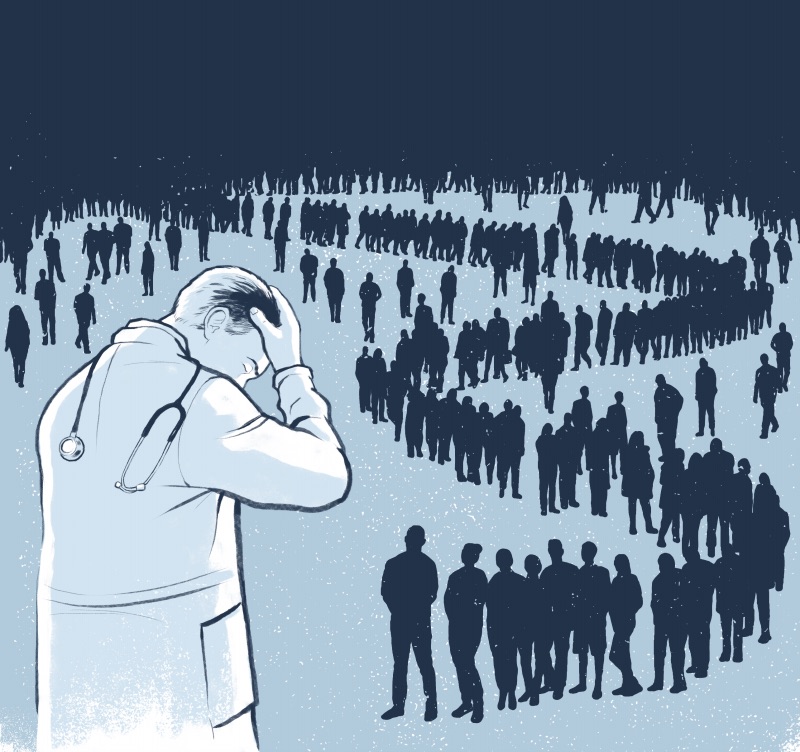
The Residency program in which I find myself is no different. I am now a member of the PGY-3 (3rd year) class; the last year of our training.
At this juncture, I have cared for thousands of patients, spent nearly 7000 hours practicing my craft, and been bestowed with a persona I could have never imagined.
Amongst my peers, I have become Magneto; born from the cauldron of uncertainty brewed during Night Float; and then battling amongst the other aspects of my developing psyche, every day inching closer to becoming an Attending Physician.
But there are others like Magneto, each whom have been submerged in the icy depths of a Code Blue, roared into the uncertain waters of a Septic Shock, withstood the calamity of a bezerk office patient, and succumbed to the simultaneous terror and awe of newborn’s cry.
They are The Allies of Magneto.

In our program, The Allies of Magneto have the opportunity to train in all aspects of medicine: obstetrics, gerontology, surgery, trauma, cardiology, nephrology, critical care, gynecology, pediatrics, acute care, neurology, and chronic disease management.
We each develop strengths and weaknesses, preferences and avoidances, as a means to mold our calling as society’s guardians of health and wellness.
Red Panda, The Prince, Joker, Doc O, Big Red, Jane Grey, and BeastMode, amongst others, have shared moments of fear, trepidation, joy, anxiety, and solace with Magneto.
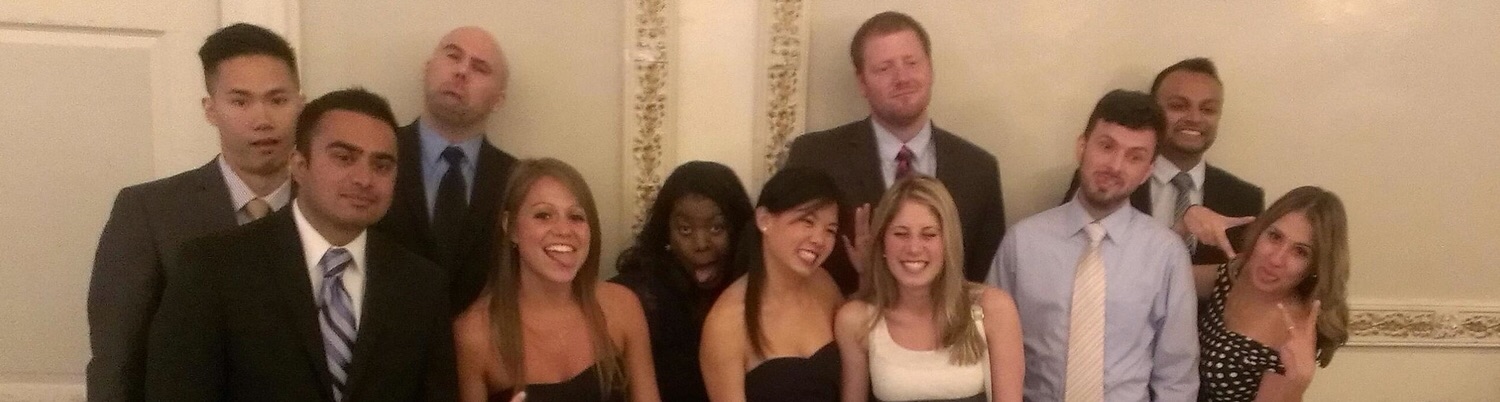
Each has toiled within the confines of a profession on the brink of meltdown and burnout. Each has contemplated a life outside of medicine. Each has longed for the ability to practice as they preach.
Each of them, now on the precipice of completing the journey to Attending Physician, having been taught to “Do No Harm”, have a host of decisions to make.
Who have they become amidst the countless hours of training?
How can they salvage their innate desire to do good, damn the barriers and obstacles placed in front of them?
Are they ready for what lay ahead?

For those who have joined Magneto on this winding journey, one chapter will soon come to an end.
But the author’s pen is patiently waiting, the next chapter slowly bubbling to the surface.
The Allies of Magneto, a group matured by the innumerable hours caring for those who seek their aid, hope to simultaneously shape their future and the future of those they serve.
No longer will the icy depths of a Code Blue, the uncertain waters of a Septic Shock, the calamity of a bezerk office patient, and the simultaneous terror and awe of newborn’s cry, cause them trepidation.
Instead, they will emerge from a 3-year-long cocoon to become the next generation of Family Physicians, forever remembered in my mind as The Allies of Magneto.

Exercising the Demons

Scott and I walked into his apartment a bit lighter in the pockets and mildly sleep-deprived. The drive back to Los Angeles hadn’t been more than 4 hours, mostly through the barren desert highway, but it had given us plenty of time to reminisce on the previous 24 hours.
His roommate greeted our return with, “Hey, where did you guys stay in Las Vegas?”
Scott replied, “Oh, just some low-class Motel 6 off the strip.”
She pointed quizzically at the newscast on the TV screen. “You mean that Motel 6?”
We replied simultaneously, “Yeah, why? What’s going on?”
“A few hours ago they caught the sniper there who had been killing people in Ohio.”
I looked at Scott. He looked at me with the same look of disbelief.
We had unknowingly had an uncomfortably close brush with infamy.
The “270 Sniper” had been caught at our hotel in Las Vegas a mere 60 minutes after we departed.
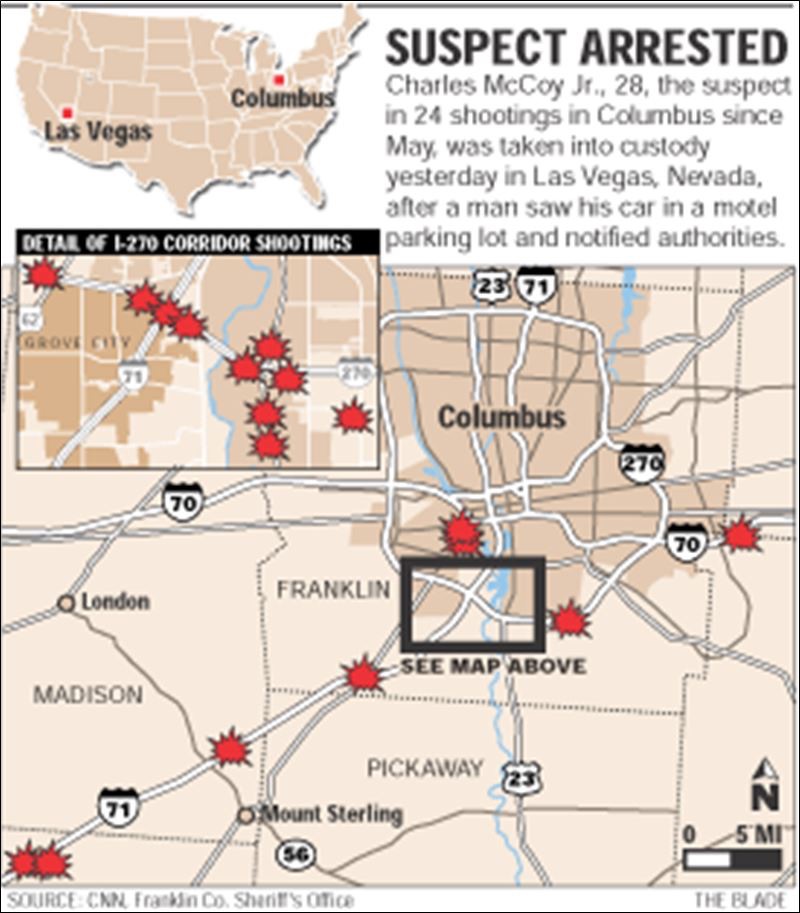
We had spent the previous 24 hours gambling, drinking, and wandering the streets of Sin City. He had been hiding in our Motel 6, law enforcement hot on his trail.
So when Scott and I recently planned a return trip to Las Vegas twelve years later, we decided to class it up a bit, avoid the Riff Raff, and stay on the strip.
There was no telling whom we would encounter this time around, but we actively sought to avoid any serial killers at The Motel 6.
Scott and I have known each other since 8th grade. His and my parents shared the odd predilection for sending their children to a brand new school housed in a warehouse in the industrial sector of Wichita, KS.
Yes, we went to school in a warehouse. Not like something out of a Philip K. Dick novel, where we would by psychologically programmed to become superhuman automatons.
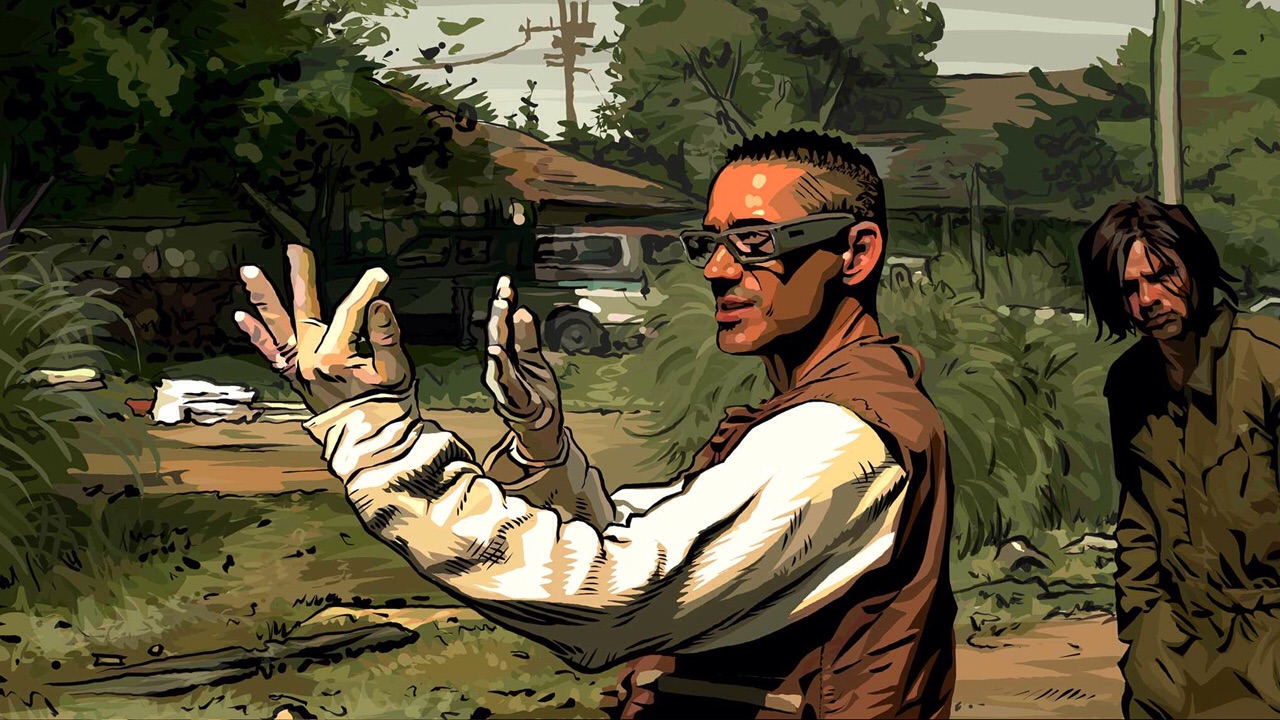
But more like a once-vibrant warehouse in the process of being transformed into a new age educational experience where grades were in flux and Love was bountiful.
Actually, Love was very bountiful there, as the up-start school was housed in a Love Box Company warehouse, likely something Walter Love, the company’s founder, would have beamed with pride about.

While there, Scott and I both were indoctrinated in Logic, Composition, Biology, and Roller Hockey {in reverse order of importance}.
Despite the humble beginnings of our friendship, in a warehouse school in a dusty midwest metropolis, the lessons we learned were paramount to our unlikely professional ascensions. [Except for the Roller Hockey. I don’t really use that for anything.]
Our friendship started over twenty years ago in a warehouse.
Then we managed to avoid a psychopathic serial killer 10 years later.
Now, only a few weeks ago, we found ourselves re-united in Sin City again.

In the midst of Residency, it has been hard for me to “catch my breath” at times. The completion of every shift, every day in the office, and every licensure task, brings on more things to do, more days in the office, more shifts to be worked.
It seems inescapable.
But that’s why it’s called Residency. In order to be trained properly and efficiently, you are seemingly living at the Hospital, in the office, or a desk trying to complete a seemingly endless list of tasks.

Which is why Scott’s suggestion of a reunion in Las Vegas was utterly brilliant. We both needed a breather from our action packed lives.
Over ten years after our brush with infamy, Scott and I are living lives we simply couldn’t have imagined back then. Scott is a successful Healthcare Systems analyst, having completed his PhD at Florida State after marrying a hometown girl, and now resides in our nation’s capitol with a daughter and another one on the way.
We have kept in close touch since our last destination vacation to Sin City, but if the last 10 years taught us anything, it was to upgrade from The Motel 6.

When I made my egress from the plane in Las Vegas on Sunday morning, Scott was there waiting; the mastermind to our 48 hour get-away already had the wheels in motion.
We made our way to the Uber pick-up and our driver quickly made a quick connection, identifying that his grown children live in the same city as me. The small talk was brief, as it only took 5 minutes to reach our destination.
Our destination, the MGM Grand, was a familiar location to Scott, as he had visited Sin City numerous times in the years since our last sojourn together; most typically he arrived with his wife, who would be the Chris Moneymaker to his Phil Hellmuth in a pairing of Poker legends.
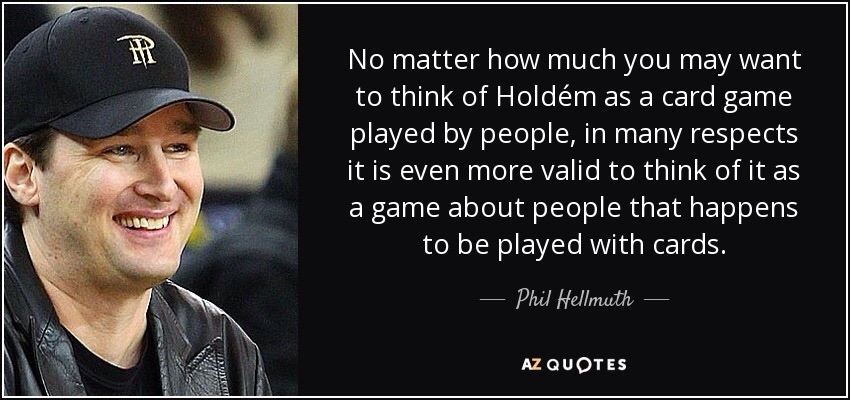

But this time, he managed to wrangle a male side-kick, in a Zach Galifianakis in “The Hangover” mold, rather than a Johnny Chan.
At the MGM, Scott managed to finagle an earlier-than-typically-allowed check-in time by not-so-secretively leaving a $50 tip for the concierge. As we calmly and cooly proceeded towards our rooms, I had the feeling our 48 hours of escape in Las Vegas would easily eclipse the 24 hours of chaos we spent there over a decade earlier.

When I landed back in Columbus on Tuesday evening it was nearly midnight. I was exhausted; and sun-burned. And slightly enamored with a woman I met on a plane.
In addition, I was neither psychologically or physiologically prepared to be a physician again in less than 8 hours.
But in Vegas, when the stakes are high, you can either fold or go all-in. I decided to go all-in this time.
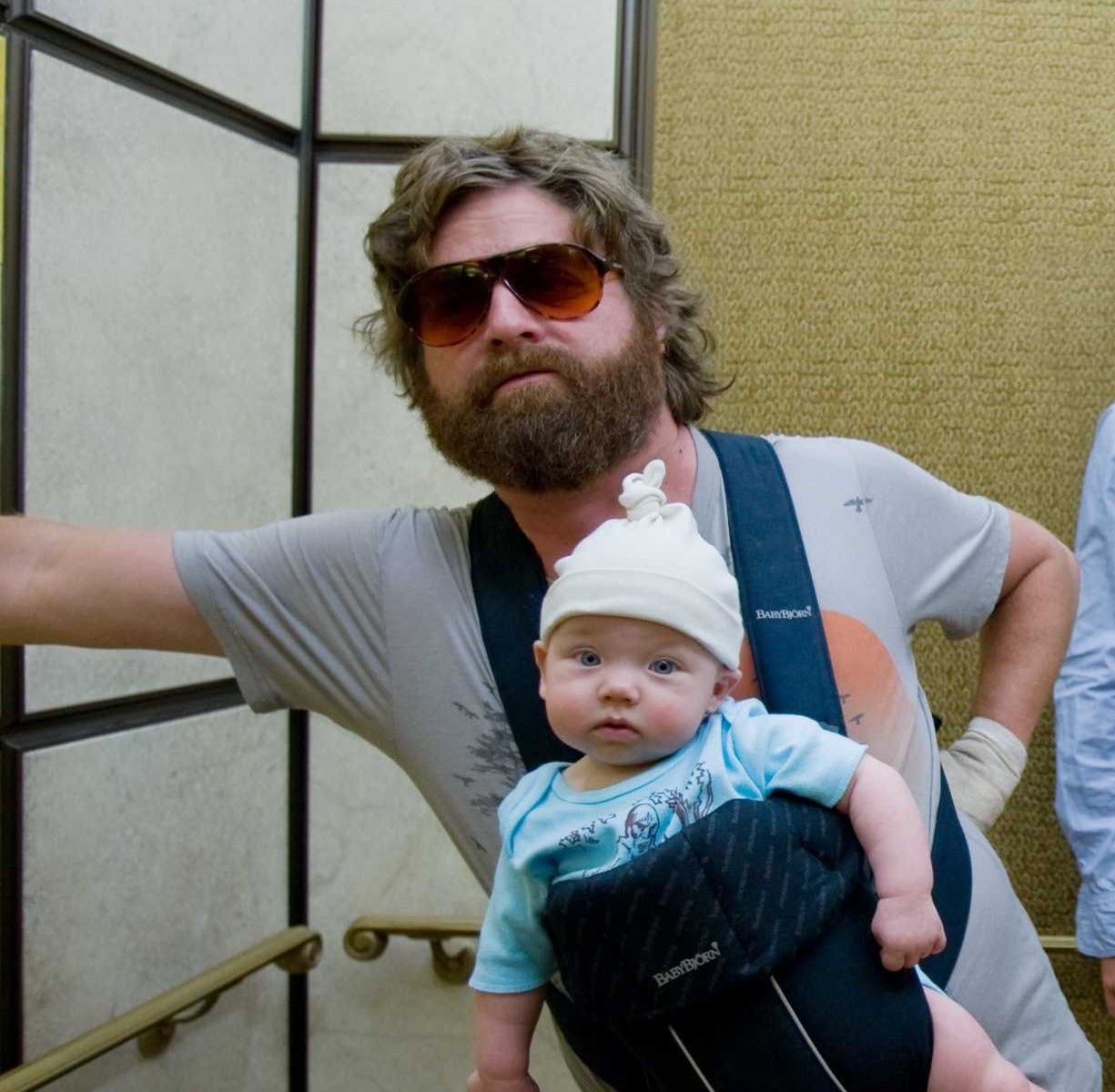
We may not have had an indirect brush with infamy like back in 2004, but our 48 hours in Sin City made us hungry for more; just as with the genesis of our friendship, there would likely be more tales to tell.
A Life of Intimacy

—–
There is an inherent level of trust between a patient and their physician. Having been a patient multiple times in my life, I believe most of this trust is simply necessary to survive. The general public has blessed physicians with a trust known to few other callings.
“You are the doctor, what do you think I should do?”, is a statement I have had echoed to me during my brief career as a physician.
This level of trust is necessary to provide adequate care to any patient. A patient who does not trust their physician is highly unlikely to share their most private information, some of which may be necessary to actually help a patient.
—–

—–
But if the relationship between the patient and physician is strong, whether it has lasted 20 minutes or 20 years, a level of intimacy is created which is nearly as vibrant as that which comes from the most passionate kiss.
The type of intimacy between two lovers and that which is created between a patient and their physician is incredibly different, but having now been a part of each of these three roles, I can genuinely report each is quite intimate.
Passion defines the level of intimacy found between two lovers, allowing lives to become so intertwined that an existence without the other is simply no existence at all.
—–

—–
Trust defines the level of intimacy found between a patient and their physician, allowing even the most treasured hopes and fears to be revealed.
Care defines the level of intimacy found between a physician and their patient, allowing a level of insight into a near-stranger’s life unmatched in the rest of human existence.
Which is where I currently find myself. In a life of intimacy.
—–

—–
I backpedaled on my life’s trajectory when I was 24 years old. Having imagined myself becoming a clinical psychologist since I was a teen, I studied to become one in college, and then decided to hone my basic skills in a group home in Cambridge.
I never seriously considered becoming a physician, until I found myself lodged in the life of a unique social intervention.
In the subsequent decade, I have learned more about the human body than I imagined possible, all the while protecting and practicing the skills I expected to use as a psychologist on a daily basis.
—–

—–
Now I find myself learning some of the most intimate aspects of near-stranger’s lives.
Their hopes.
Their fears.
Their disappointments.
From the patient’s perspective, I am the one whom they want to trust so they can stay healthy or recover from whatever ailment currently disturbs them.
From the physician’s perspective, I am the one who cares whether they can stay healthy or recover from whatever ailment currently disturbs them.
—–

—–
A 20-year-old woman cried in the exam room. The tears streamed down her face as she recounted leaving her grandmother’s home, where she was raised, because their relationship had abruptly dissolved.
She cried for the loss of their relationship; the loss of a grandmother and mother, one-in-the-same.
As her tears subsided, I listened and encouraged, supported and reflected, all the while feeling priviledged to be trusted in such a way. She hoped their relationship would be salvaged some day. Somehow. Someway.
At 32-weeks pregant though, she had another relationship to care for. So we used the ultrasound and listened to her soon-to-be-born daughter’s heart beat.
—–

—–
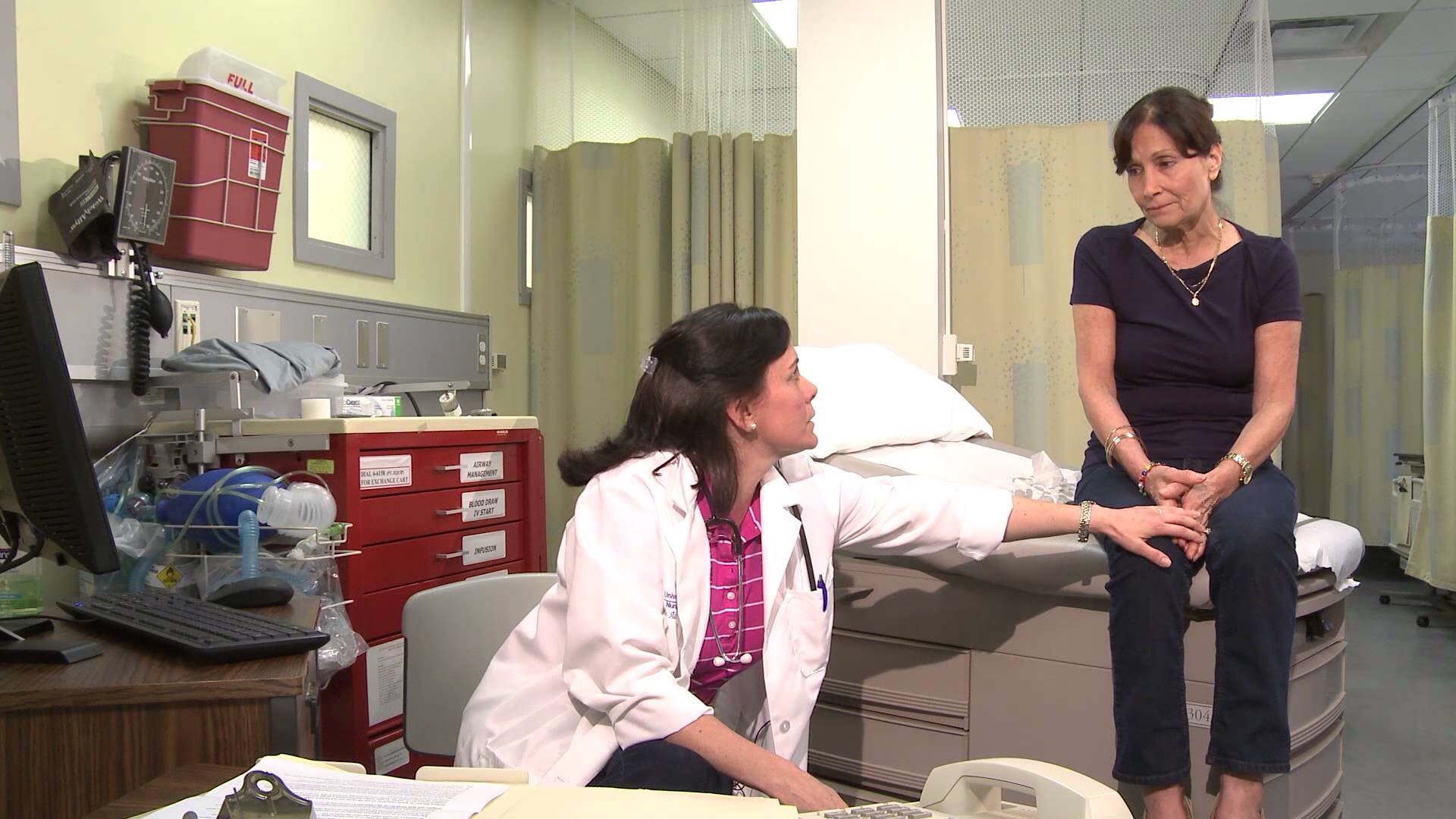
A middle-aged man sat disrobed in front of me. A man I had never met in my life. He came to me for a physical evaluation with life of minimal medical maladies.
Except now he has a broken heart.
A broken life.
A broken sense of where he fits into the world.
His wife of 37 years died.
His home is barren.
He sleeps alone.
No one responds when he speaks.
The “chief complaint” listed as the reason for his visit was Physical Exam.
The intimacy afforded by the level of trust he put into his physician, in this case me, allowed his physician, in this case me, to care for him in ways unable to be documented.
When he left the exam room, he gave me a hug and said, “I will be alright Doctor. Thank you.”
—–
—–
Every physician has similar experiences, each of which permeates their being, acting as an enzyme on the basic proteins constructing their DNA; allowing them to care for an infinite number of their fellow man; potentially when no one else will.
A life of intimacy is not for everyone, as it can create an enormous amount of unrecognized emotional strain.
But if done correctly, a life of intimacy can also create an incalculable strength, derived from the emotions of near-strangers, who seek a relationship unlike any other known to man.
—–

—–
The patient-physician relationship is intimate in ways unlike the intimacy sown with a passionate lover.
A life of intimacy. A life.
 Elbrecht's Corpuscle